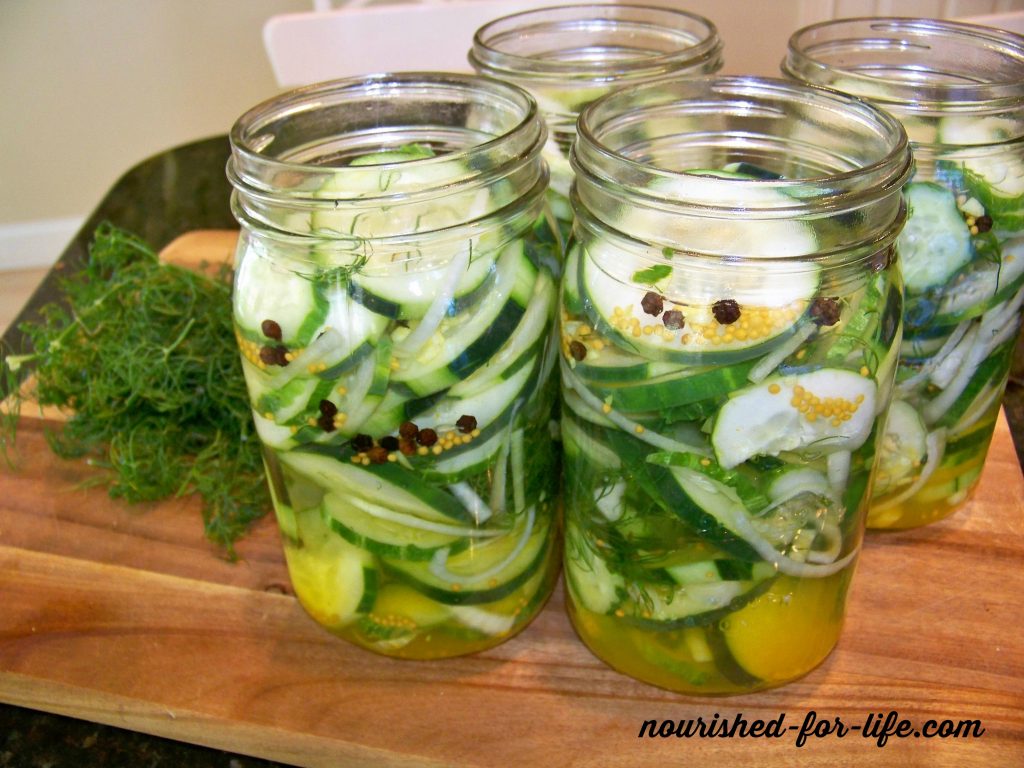
Easy DIY Freezer Pickles

Happy October, Friends!

I hope you’re all enjoying this beautiful fall! I’ve been so busy with group workshops, coaching and a new certification program I’m doing through the Institute of Functional Health Coaching (much more on this in another post!) that I haven’t been blogging very much the past couple of months.
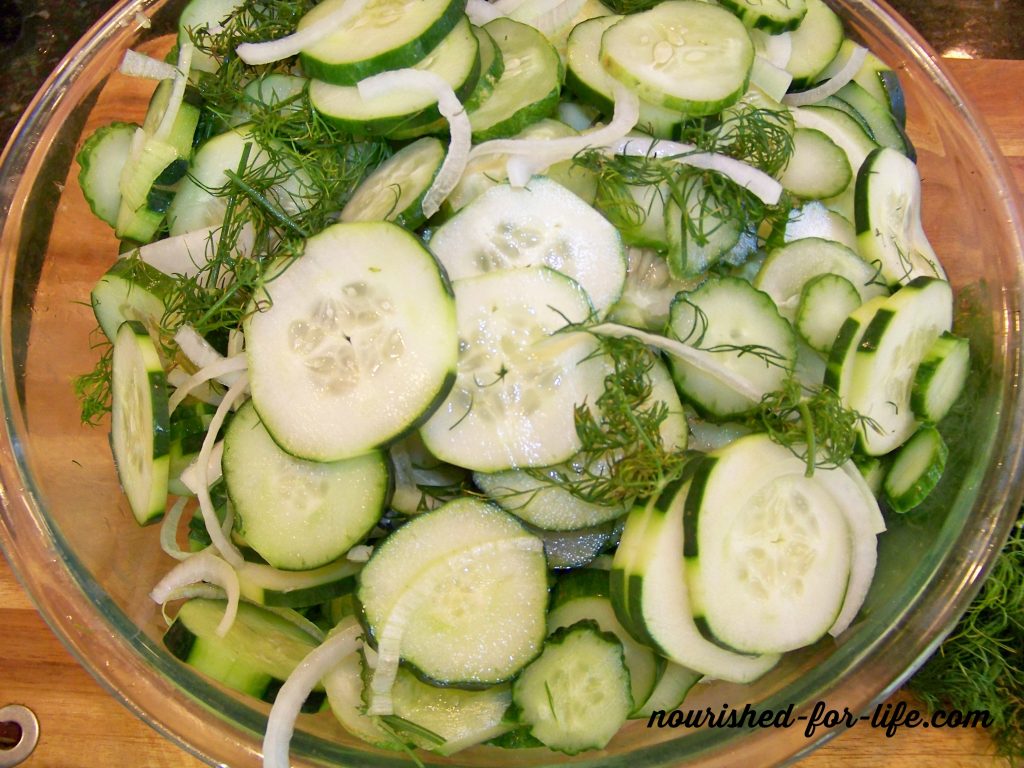
Easy DIY Freezer Pickles

So I wanted to share something fun with you today. A few years ago we grew SOOOOO many cucumbers in our Tower Garden that I couldn’t eat or give away any more. So the kids and I made pickles. I’m not a canner, but a friend suggested we freeze them and it worked perfectly. They were delicious and lasted us all through the fall and winter. My husband and kids loved them and have been asking for more ever since.

We moved the Tower Garden inside and use grow lights now, which is amazing for lettuce, herbs and greens all winter, but I haven’t had homegrown cucumbers since then. This fall we’ve had an abundance of beautiful organic cukes from our CSA and we happen to have a beautiful bunch of dill growing on the Tower Garden right now too. So yesterday Juliette and I made eight quart jars of dill pickles. They’re in the refrigerator now for a couple of days and then I’ll put most of the jars in the freezer.

I can’t say I’m an expert pickle maker by any means, but if you google freezer dill pickles you will find several recipes. This is the one we used this year, with a few modifications (for us it required about double the vinegar plus an equal amount of water to cover the cucumbers for 8 jars. I also added chopped fresh garlic, black peppercorns and we used a lot of fresh dill). Adjust the seasonings according to your own tastes. You honestly cannot mess this up. If you decide to try this, make sure you leave a good inch at the top of your jar to allow for expansion as the pickles and brine freeze. And as an added precaution, I freeze mine with the lid off and then put the lids on after they’re frozen.

Next time you buy pickles, take time to read the ingredients. Most brands are full or preservatives and have artificial blue and yellow coloring, which is so irritating because it is so completely unnecessary!! (You can read a little bit about why you should avoid artificial colors here.) I like Bubbies brand (which is usually in the refrigerator section)  but I can’t always find their dill pickles here. If you’re in the same boat, it really is easy to make your own and its such a fun thing to do with your kids. My whole crew thinks its so much fun to make and eat our own pickles!

Local friends, make sure to check my website and Facebook page often for upcoming workshops and wellness events. I have a lot of fun things in the works!!

Blessings to you and yours!

Kristi

PS. I’d love to see you at any or all of my upcoming workshops!!

Be a Smart Healthy Shopper

Friday, October 13, 2017 from 11:00 AM to 12:00 PM

NMS Chiropractic Clinic | 2568 Waterbridge Way | Evansville, IN 47710

Join Danielle Pond (Dietician @ NMS Chiropractic) and Kristi Cirignano (Certified Health Coach) for a light healthy lunch and a fun hour of talking about how to become a smart and healthy grocery shopper & get more healthful whole foods in your life! We will talk about::

–what foods you should focus on when you’re making your grocery list or doing your shopping

–food label reading strategies including how to interpret the information on a food label and what ingredients you should absolutely avoid putting into your shopping cart or mouth

–simple ways to get more whole food nutrition into your diet

Lunch is always gluten and dairy free and we will have recipes to share! This event is free but space is limited so please RSVP to Kristi@nourished-for-life.com or via eventrite at https://smart-shopper.eventbrite.com

Raising Healthy Kids

Tuesday, October 17, 2017 from 9:30 AM to 11:00 AM

Kristi’s home | 10276 Shefield Ct. | Newburgh, IN 47630

We all want to raise healthy kids, but it’s a challenge in today’s environment! Do you struggle with:

–picky eaters?

–societal pressures on our families and kids to eat like everyone else?

–meal planning?

–finding time for cooking and feeding your family healthful whole foods when we are running all day from work or school to homework to sports and activities?

Eating nutrient dense whole foods is so, so important to our kids performance in school, sports and activities, and even more important to their long term health. But its not always easy! Join us for a light, healthy lunch and we’ll talk about overcoming picky eating, peer pressure & meal planning tips to set yourself up for success!

Lunch is always gluten and dairy free and we will have recipes to share.! This event is $10 per person. Please register via eventbrite at https://healthy-kids.eventbrite.com

Essential Oils & How They Can Benefit You

Friday, October 27, 2017 at 11:30 AM – 1:00 PM

Kristi’s home | 10276 Shefield Court | Newburgh, IN 47630

Join us for a light, healthy lunch and learn the basics of essential oils …

What are they?

How do you use them?

How can they benefit you and your family?

You will get to smell and sample a variety of oils and learn how to use them in your home!

** Please note essential oils have many benefits, but they are powerful substances and it is important do your own research on any oils that you use, use caution and make sure you are using them appropriately and safely! We will share some of my favorite resources for researching oils and their uses.

Lunch is always gluten and dairy free and we will have recipes to share. This event is $10 per person. Please register via eventbrite at https://essential-oil-basics.eventbrite.com
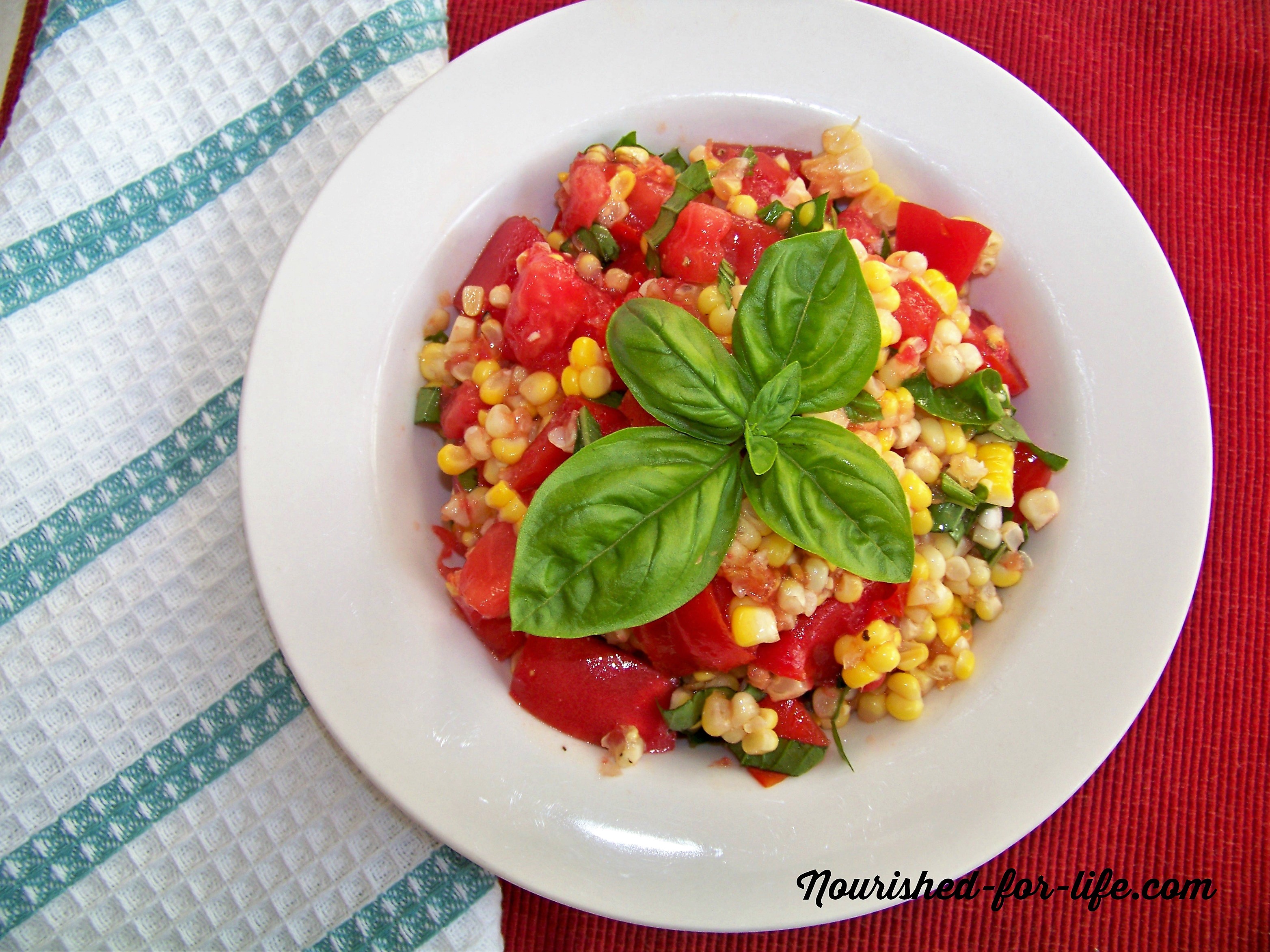
Summer Tomato Corn Salad

Hello friends!

One of the fun things about focusing on eating fresh fruits and vegetables is that your meals change with the seasons and what is available locally at any given time. In the summertime, the way I cook changes completely. In the winter I tend to make a lot of soups, stews, chili, crock pot meals and heavier pasta dishes. When we have an abundance of local goodness from the farm and our farmers market, I love to eat as fresh and close to the earth as possible.

I actually don’t know if you can really call most of what I do during the summer “cooking”. And this hardly even qualifies as a recipe. But its still one of our favorite summer dishes.

Summer Tomato Corn SaladWhen we make sweet corn, I always cook a few extra ears for this salad. If your corn is really fresh and tender, you don’t even have to cook it! I chop the freshest most delicious tomatoes we have (preferably a mix of sungolds, grape or cherry, and different colors of heirloom tomatoes) and then add the leftover corn (cut from the cob).
Drizzle with a good quality extra virgin olive oil, sprinkle with sea salt and pepper. and a generous handful of fresh basil. Summer heaven on a plate!

This salad is delicious on its own or as a side salad with an organic, pastured chicken breast.

Summer Tomato Corn Salad

Calories: 235kcal

Ingredients

  • 2-3 cobs sweet corn kernels removed (please use organic, non-GMO corn)
  • Aprrox. 1 lb fresh local summer tomatoes 3 medium tomatoes or a combination of sun gold, grape, cherry and heirlooms
  • Approx. 1/4 c. Fresh basil leaves thinly sliced
  • Extra virgin olive oil
  • Sea salt & pepper to taste

Instructions

  • Combine corn, tomatoes & basil in bowl. Add extra virgin olive oil, salt and pepper & toss gently to combine.
  • Enjoy immediately or store, refrigerated, up to 2 days.

Make sure to check out the Upcoming Events on my website and follow me on Facebook for all of the latest news!

Have a great week! Especially those of you heading back to school this week!!!

XOXO,

Kristi

PS:  If you’re heading back to school this week and need some lunch box inspiration, check out my blog post on Real Food School Lunches in Ten Minutes a Day!

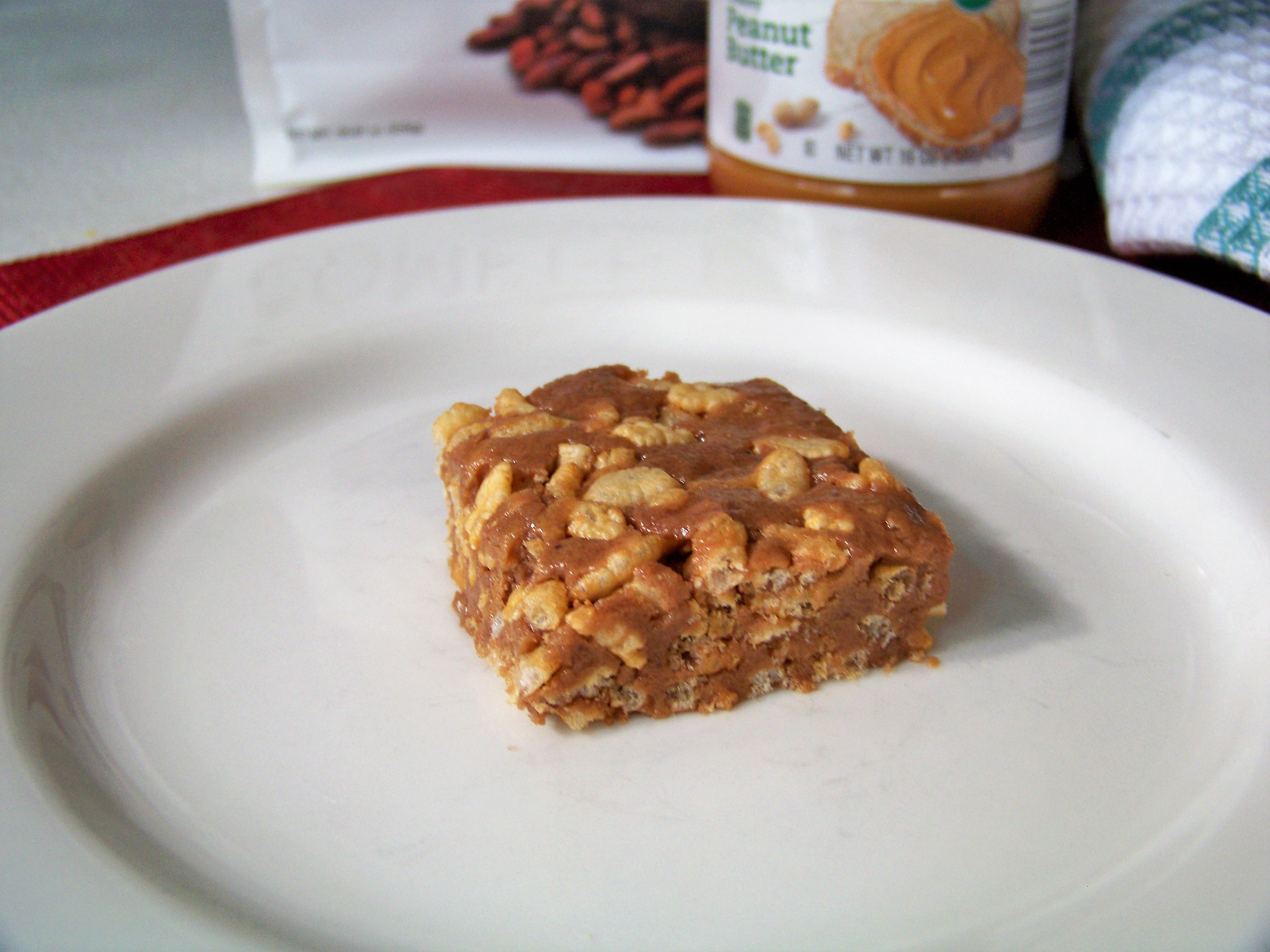
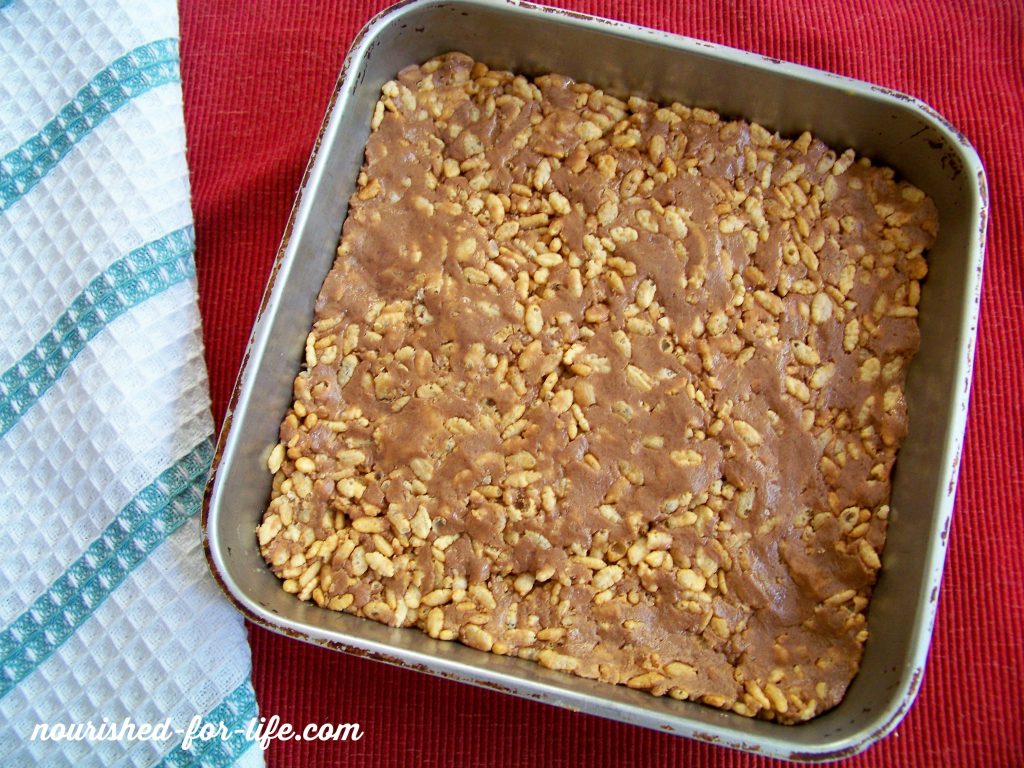
Chocolate Crisp Rice Protein Treats

Hello Friends! I promised you I would post this Chocolate Crisp Rice Protein Treats recipe this week, so here it is!

Chocolate Crisp Rice Protein Treats

I can’t really take the credit for this one. I originally got this recipe from my friend and mentor Bonnie Schnautz, ND of BRenewed Wellness Center. But it is so deliciously addictive and is a regular at our house so I have to pass it on to all of you!

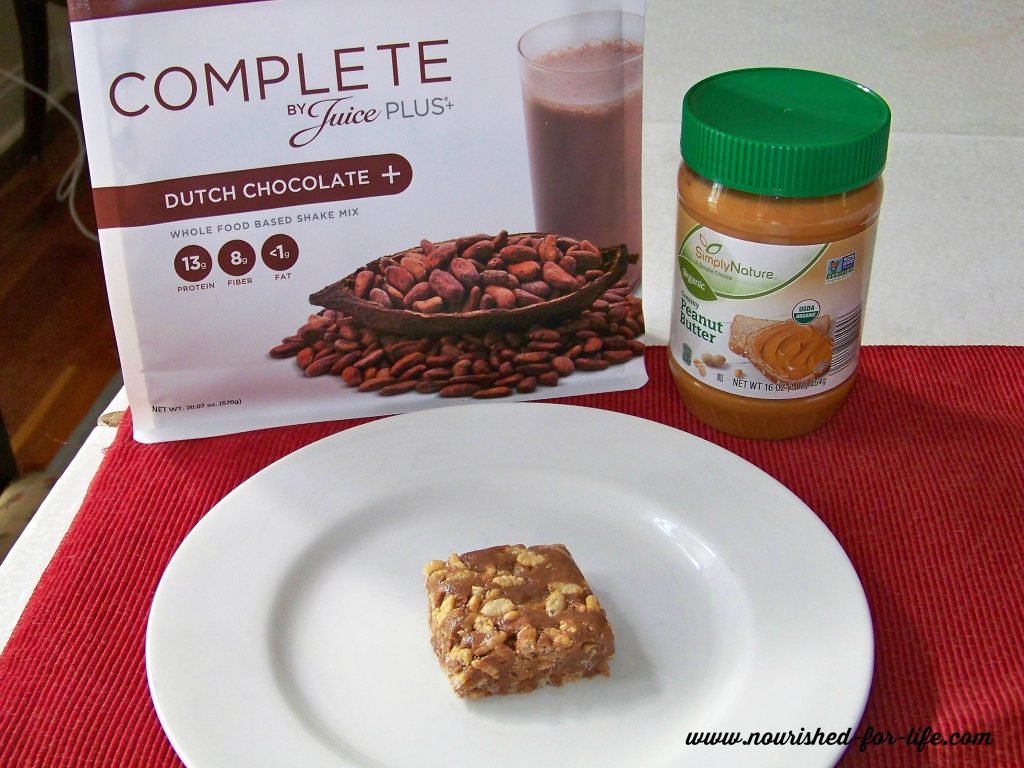
I make these with Juice Plus Complete, my favorite whole food, plant-based protein powder. When it comes to protein powders, I’m extremely picky. Plant-based is a must. I avoid anything with whey (a highly processed by-product of the commercial dairy industry loaded with hormones and antibiotics) or any artificial flavors, colors, sweeteners or other questionable additives. Complete contains 15 different plants including nutrient dense legumes, ancient grains, broccoli sprouts, pomegranate, spirulina and even mushrooms. It is also high fiber, low glycemic, non-GMO and is NSF certified to be free of chemicals, heavy metals and any other contaminants or fillers.

Chocolate Crisp Rice Protein Treats

Try these for a delicious treat or (don’t tell my kids) they could even be a high protein, nutrient dense breakfast bar. Just don’t eat the whole pan at once!

Chocolate Crisp Rice Protein Treats

Ingredients

  • 1/2 c. all natural organic peanut butter (make sure to buy a brand with no sugar added. We use Aldi's Simply Nature brand)
  • 1/2 c. raw honey
  • 1 scoop 1/3 c
  • Chocolate Complete
  • or your favorite whole food plant-based protein powder
  • 1-1/2 to 2 c. gluten free crisp rice cereal (I use
  • Barbara's Organic Brown Rice Crisps
  • )

Instructions

  • Stir together the peanut butter, raw honey and Chocolate complete. Mix in the crisp rice cereal. I start with 1-1/2 cups and then add more as needed. It really varies depending on your brand of peanut butter and how runny or thick your honey is.
  • Press into an 8x8 pan and cover tightly. I keep ours in the refrigerator. If you like them softer, room temperature is fine too. Enjoy!

Making Whole Food a Priority, Part 2

Hello friends! Last week, I gave you three of my favorite tips to help you in your efforts to eat a real, whole foods. After you have made the commitment, stocked your pantry and freezer, and made a list of a few quick and easy meals you can be prepared to pull together anytime the need arises, what next?

Tip #4 is to plan ahead! Planning your meals and snacks for the week is key to your success.

You might be ready to tune out here, because there are dozens, if not hundreds, of articles and services to help you become a better meal planner. I get it. They all sound amazing and if you use one of these plans or services your grocery budget, sanity, and health will all thank you. But I don’t use any of them either. I’m honestly not the best meal planner out there.

But that doesn’t mean I don’t plan. Planning ahead and being prepared for different contingencies is actually vital to your whole food nutrition efforts. My plan is typically just a rough list of options of the meals and dishes I want to make that week. My list is often only in my head or scribbled on a pad of paper I may or may no be able to find when I next need it. When I’m really on the ball I make the list in Notes on my iPhone so I can look at it for a reminder at the grocery store, in the pick-up line at school or when I’m getting organized for my day.

Sometime before my weekly grocery shopping trip I think about our schedule for the week. Which evenings will we all be home to eat dinner together? What evenings will I need something really easy so the kids can eat an early dinner before they head off to sports and activities? What days will I have time to cook and what days do I need to rely on leftovers or something I can pull together really quickly?

Then I make a list of the things I want to make for the week (again often just in my head). My list is usually only 2-3 meals or dishes but they are almost always something that will provides leftovers for a second meal or that I can easily morph into a second (or third) meal for the remaining days of the week. On the days when I have time, I love to cook. But its also a really nice treat to have leftovers and know I don’t have to cook three meals a day. Every. Single. Day.

My shopping list is always in the Notes on my phone. It remains pretty constant–all of the fresh produce and staples we use every week for breakfasts, lunches, my quick and easy dinners and snacks–with just a few additions depending on the other specific dishes I choose to make for the week.

Tip #5 goes right along with planning ahead. When you cook, always. always, always make enough for multiple meals.

I almost always double or triple the recipe for anything I cook. Sometimes I can get an entire second dinner out of one meal. Other times the leftovers might be lunch for me and our 2 yr old all week. Or it might be a quick and easy thing to re-heat on nights with evening activities. Or I might just double or triple the most time intensive part of the meal (like slow cooker beans for taco night or our favorite homemade pasta sauce) and then freeze what’s left or re-purpose is for another meal.

A few years ago I read a book called An Everlasting Meal: Cooking with Economy and Grace. Its a series of essays, part cookbook and part mediation on cooking and eating. I honestly am not even sure I finished the book, I think I got distracted and never got back to it. But I appreciated the author’s philosophy. For her cooking is more of an intuitive flowing art form than any specific dish or recipe. Her essays focus on feeding the people around her without any waste … “summoning meals from the humblest ingredients”, using every bit of an animal, fruit or vegetable and especially the belief that “the best meals rely on the ends of the meals that came before them.”

A couple of examples of how I might do this on a given week:

This week I’m planning to make tacos and I always make a huge batch of black beans in the slow cooker. I usually have enough leftovers to put tacos or taco salad in school lunches the next day and for one other quick dinner on a night the kids have to eat early and get to soccer and ballet. Even after two dinners and lunches, I’ll still have plenty of beans left for another meal or two. If I don’t have time to use them, I’ll put them in the freezer to use another week. But most likely, another day this week I’ll make our version of Chipotle style burrito bowls, black bean wraps, or Mexican pizzas on sprouted wheat or brown rice tortillas toasted in the oven. With the beans made, all 3 of these meals are pretty quick and easy options that I can pull together without too much advance prep or time in the kitchen.

I also love to roast whole chickens. I always roast 2 at a time and we usually get 2 complete meals out of the chickens, often with some left for lunches. Then I make stock with the bones and I’ll keep the stock and remaining scraps of meat in the refrigerator to make another meal (usually soup or risotto) or freeze them to use later.

The more you cook, the more food you will have to work with and the more flexibility you will have in planning for the rest of the week. I know, I’m a genius, huh? But it’s so true!! I love having a start to a new meal (or two) already made and in the refrigerator. It makes the rest of the week so much smoother and I don’t have to start fresh every single day thinking, “Oh man, what am I going to make for dinner tonight?”

Once you get in the habit of cooking this way, it becomes so much easier and, over time, it just becomes a way of life.

Tip #6 — Make fruits and vegetables the center of every snack and meal.

Fruits and veggies are the best, most nutrient dense thing you can possibly eat. Low in calories and high in health promoting micronutrients–vitamins, antioxidants, live digestive enzymes and phytonutrients!

Did you know one apple contains approximately 10,000 different phytonutrients? And these are just the ones scientist have identified! All of these phytonutrients work together synergistically in ways we don’t even fully understand, to keep our bodies strong and healthy. And every fruit and vegetable has a similarly long list of different but equally important phytonutrients.

Most fruits and vegetables actually retain more health benefits when you eat them raw. What could be quicker or easier than that? No cooking required!

Every week I buy a mountain of fresh produce: lettuce and other greens, 4 bags of organic apples, 4 bunches of bananas, berries, a bag of clementines & lemons, carrots, grape tomatoes, celery, bell peppers, broccoli, cauliflower, Brussels sprouts, cucumbers and usually a few other things.

I make a giant green smoothie for breakfast almost every morning. This kids have a serving of fruit with breakfast every day. They usually take a piece of fruit to school for their morning snack. They have at least one fruit and one vegetable in their lunch boxes. They each eat an apple every single day after school. We have a green salad every night with dinner and usually one other vegetable as well. I often have a big green salad for my lunch and again for dinner. I always have hummus and guacamole in my refrigerator for snacking on with raw veggies and for an easy on the go snack.

Try to meet the recommended 9-13 servings of fruits and veggies every day!

#7 Invest in a second refrigerator and/or a deep freeze.

One of my good friends who is eats very healthfully and is raising a real food family recently sent me a picture of her nearly empty cupboard that used to be filled with packaged foods. Now, she said, it’s her fridge that is ooverflowing with fresh produce instead.

When you change your way of cooking and eating and begin eating a lot more fresh fruits and vegetables, you may need a bbigger refrigerator. Especially if you’re feeding a family. If that isn’t an option for you (it isn’t for us) consider investing in a second refrigerator for the basement or garage to serve as overflow for your freezer and to store all of that beautiful, amazing, health promoting produce you’re going to be eating. I’m not sure how we survived without ours!

Whether you are an expert meal planner with a complete weekly or monthly calendar of every meal and snack laid out in advance or more like me … making a rough weekly plan in your head, knowing you will almost certainly deviate from it … just make sure you have a plan! Focus on eating more fruits and vegetables. Figure out what works for your schedule and household and over time, with a little effort, a real whole food diet will become a natural, normal part of life.

Join me in making whole food a priority in your life! Your health will thank you!

XOXO,

Kristi

PS. If you missed Making Whole Food Nutrition a Priority, Part 1, click here to read it now! And make sure to follow Nourished for Life on Facebook for all of the latest news and more healthy living information.

Making Whole Food Nutrition a Priority, Part 1

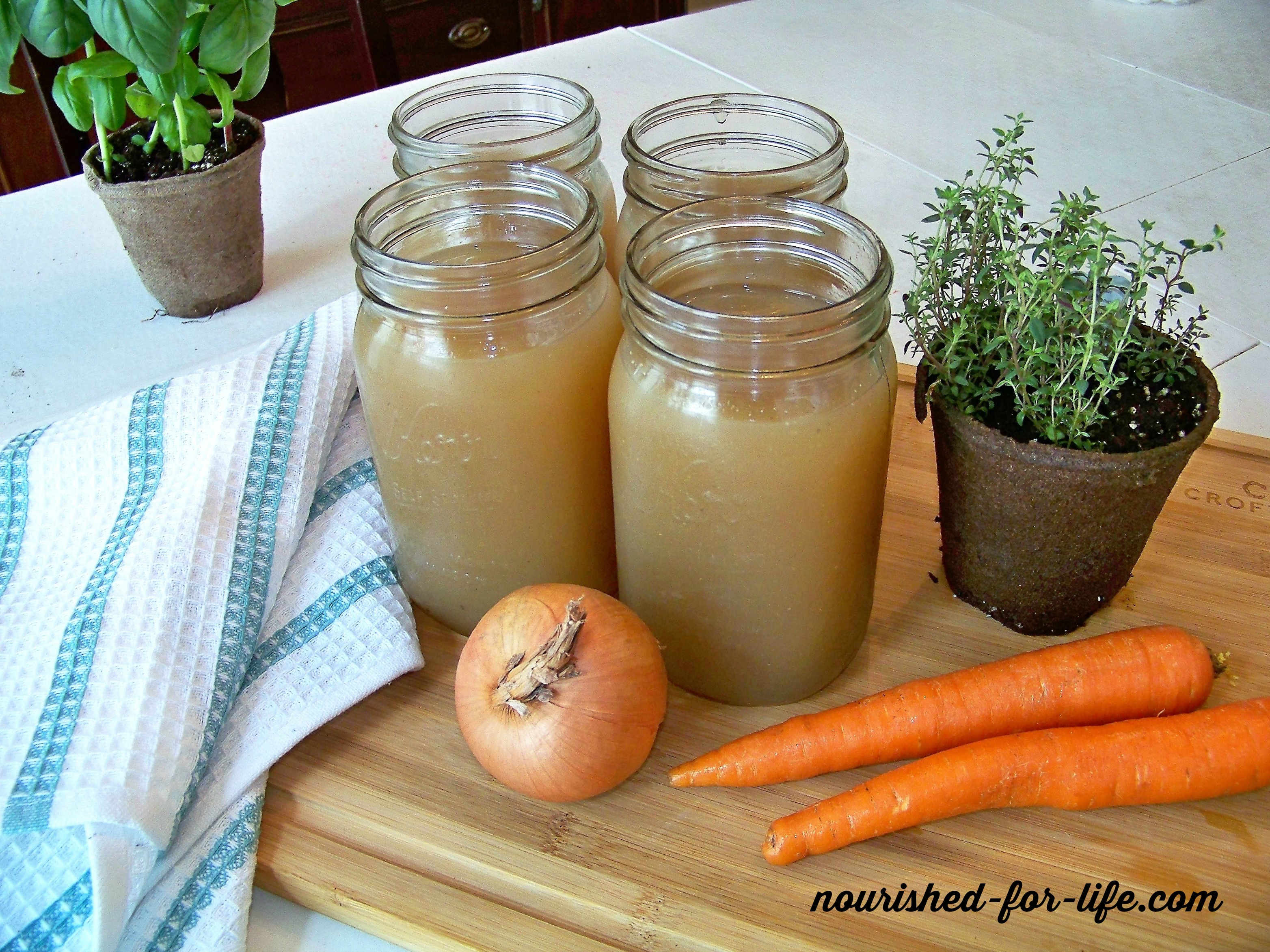
Last week I made beef stock. Yep, I was pretty excited and proud of myself. I make chicken stock fairly often…every time I roast whole chickens in fact. But I had a chance to get some stock bones from local grass fed cows and decided to make some beef bone broth. It was amazingly rich and delicious, full of gut healing nutrients and collagen. I ended up with six quarts of beautiful stock and I froze most of it in glass jars to use this fall.

Whole Food Nutrition

At least half of you are probably thinking right now that I clearly have WAY too much time on my hands. But I assure you that is not the case! I’m a very busy, work-from-home mom with 4 kids to keep up with, including a 2-1/2 year old whose constant and ever changing demands keep me running from morning till bedtime.

But this post is not actually about making bone broth, although I highly recommend it! (You can read about some of the benefits and check out the recipe I used here.)

This post is actually about making real food a priority. None of us, including me, have time to spend all day in the kitchen, which is why in my next couple of posts I’m going to share some of my favorite tips for eating real, whole foods in the very limited time we have.

Tip #1 is simply to choose to make whole food nutrition a priority. 

We all lead such busy, hectic lives and it’s easy to use time as an excuse for not cooking or not eating as healthfully as we know we should. But honestly, what is more important than your health, or the health of your family? If there is one thing we should make a priority, isn’t it our health?

We all order our time and lives around the things that are our highest priorities. So why not make the decision, right here and now, to make your own and your family’s health a priority and invest your time in eating real, whole foods?

Once you make the decision to skip the drive thru, take out and processed, packaged foods at the grocery store and eat only real, whole foods, there may be a transition time when it seems overwhelming and really hard. But stick with it a few weeks and I promise you’ll soon get into a new groove where planning for healthy meals and snacks will just be a normal part of our life. You might even find you love it! And feeling great, having more energy and better health–both now and in the future–will be an amazing reward and the best gift you could give to your family.

So once you’ve made the decision, what next? How do you get started or improve on your commitment to eating real food?

Tip #2 — Set yourself up for success with a well stocked pantry and freezer.

The most important things you can do to set yourself up for success are planning and preparation. I’m going to devote part 2 of this series to how I go about planning our weekly meals, grocery shopping & meal prep. So stay tuned for that. But even more important than a weekly plan is your overall preparation with a well-stocked pantry and freezer. This makes last minute meals and snacks when you haven’t had time to plan much easier and makes it less likely you will resort to the drive thru or carry out or processed foods.

The things I buy in bulk and always have in my pantry include:

We buy meat from hormone and antibiotic free, pastured or grass fed animals in bulk from a local farm (Fischer Farms in Jasper, Indiana) so our freezer is always stocked. In my freezer you will also always find wild caught Alaskan Salmon, plenty of frozen fruit for smoothies (my daughters also like frozen fruit straight out of the freezer as a snack), extra loaves of sprouted wheat and gluten free bread and homemade stock for soup or other dishes.

This means even if I don’t have time to go to the grocery store all week, I can always pull together a healthy snack or meal in relatively short order.

Please don’t think real food has to be time consuming to prepare or fancy! No guilt here … there are plenty of times I don’t have time to cook a fancy meal. My go to quick-and-easy (but still real food) meals when I have had zero time to plan or prep a meal are:

  • Leftovers!! This is one huge advantage of cooking regularly.
  • Our favorite Buckwheat Pancakes
  • Eggs–scrambled, fried, hard boiled (if I have some already made) or if I have just a bit more time an omelette or frittata
  • Gluten free pasta with jarred pasta sauce or a quick pan sauce
  • Oatmeal
  • A nut butter sandwich on sprouted wheat or gluten free bead
  • A big lettuce salad with canned tuna, chickpeas, leftover chicken, avocado, nuts or berries. (You can find two of my favorite green salads here and here)
  • Depending on what I have on hand, we usually have fruit and/or veggies with hummus and/or a big leafy green salad on the side.
  • In a pinch I’m perfectly satisfied with a Complete plant-based protein shake. It’s satisfying and healthy and I feel a million times better than if I had gone through the drive thru.

We also have an aeroponic growing system called a Tower Garden which means I always have fresh lettuce, herbs and other greens growing right in my kitchen that I can grab for a quick salad or to go in a smoothie or protein shake. I absolutely love our Tower Garden and highly recommend it for any real food home.

#3 — Break your prep and cooking into smaller jobs and squeeze them in whenever and however fits your schedule. 

This is where I come back to the beef stock. It may seem like a big, overwhelming, time consuming project but it really couldn’t be easier when you break it up and fit it into your existing schedule. I kept the bones in my freezer til I had a few extra minutes one evening after dinner. Threw them in a stock pot with water and some aromatics and let it simmer over night. Five minutes and done. In the morning, I didn’t have time to deal with it so I stuck the whole stock pot in the refrigerator. 1 minute or less. One afternoon when I had a few minutes I strained the broth, put it in jars and put the jars in the freezer. 10 minutes max. It took a little planning but almost no actual time.

Another example of this is my favorite quinoa salad that I like to make for a dinner side dish or have on hand for a quick lunch or dinner. It feels like a lot of work by the time I cook the quinoa, make the dressing (an amazing tomato vinaigrette) and chop all of the vegetables. But it’s a lot more manageable if I break it up into smaller jobs. I make the dressing one day when I have time and put it in the fridge. When I’m cooking rice for dinner, I put on another pot and cook the quinoa at the same time. It goes in the fridge too until I have time to actually make the salad. And then it doesn’t take much time to chop the veggies and put it all together and I have a yummy and nourishing side dish or meal for whenever I need it.

These are just examples. Think about the real food dishes or meals your family likes, and figure out ways to break up your prep and cooking time to fit it into the nooks and crannies of your schedule.

Make the commitment. It may take some time and effort to make the transition and figure out how to make a real food eating plan work for you. But once you do, it really won’t take much more time, only a bit more planning! And it will be so worth it for your short and long term health!

XOXO,

PS —  For more tips and tricks, read Making Whole Food Nutrition a Priority, Part 2! And follow me on Facebook for more healthy living information and inspiration!