Easy DIY Freezer Pickles

Happy October, Friends!

I hope you’re all enjoying this beautiful fall! I’ve been so busy with group workshops, coaching and a new certification program I’m doing through the Institute of Functional Health Coaching (much more on this in another post!) that I haven’t been blogging very much the past couple of months.

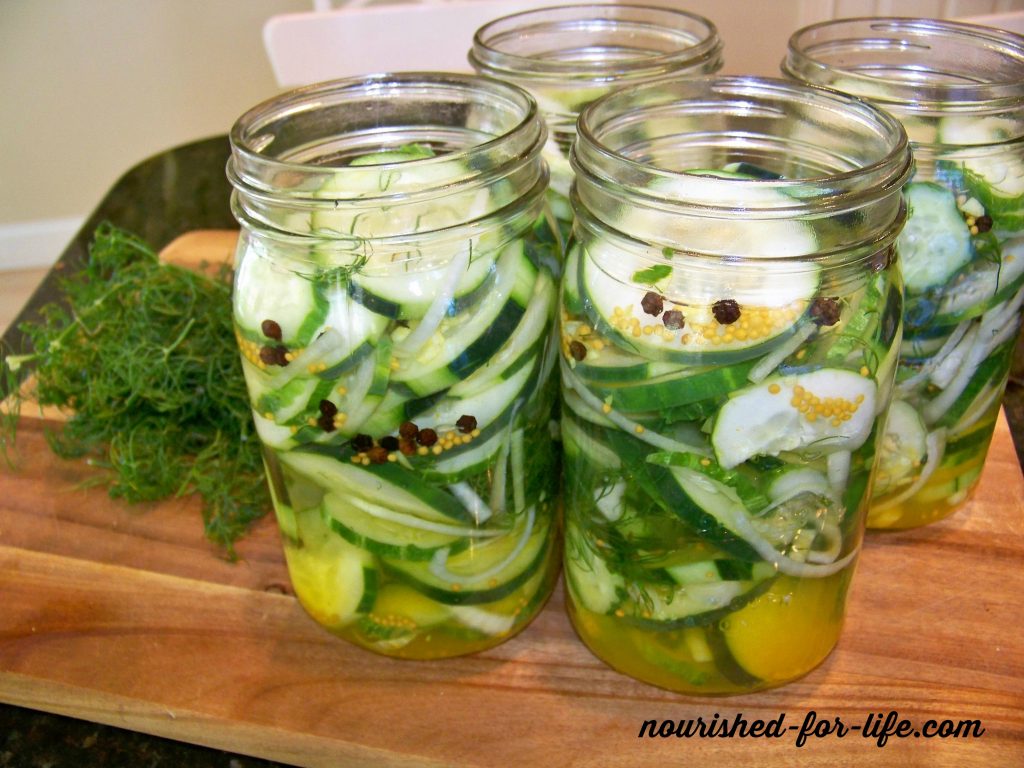
Easy DIY Freezer Pickles

So I wanted to share something fun with you today. A few years ago we grew SOOOOO many cucumbers in our Tower Garden that I couldn’t eat or give away any more. So the kids and I made pickles. I’m not a canner, but a friend suggested we freeze them and it worked perfectly. They were delicious and lasted us all through the fall and winter. My husband and kids loved them and have been asking for more ever since.

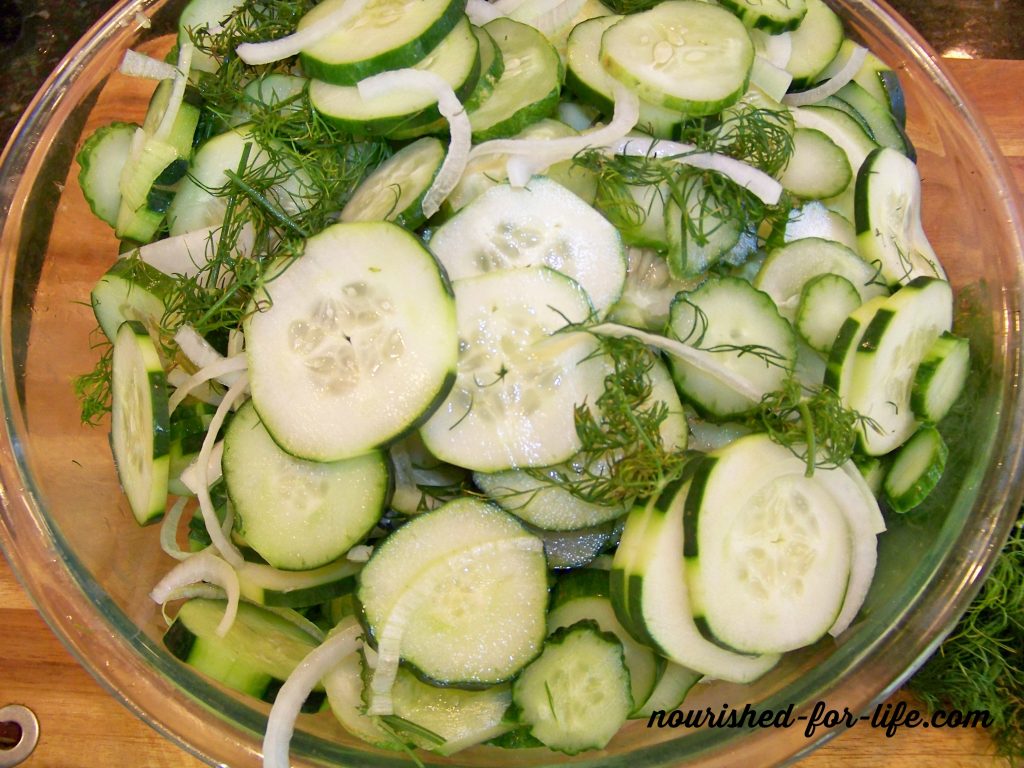
We moved the Tower Garden inside and use grow lights now, which is amazing for lettuce, herbs and greens all winter, but I haven’t had homegrown cucumbers since then. This fall we’ve had an abundance of beautiful organic cukes from our CSA and we happen to have a beautiful bunch of dill growing on the Tower Garden right now too. So yesterday Juliette and I made eight quart jars of dill pickles. They’re in the refrigerator now for a couple of days and then I’ll put most of the jars in the freezer.

I can’t say I’m an expert pickle maker by any means, but if you google freezer dill pickles you will find several recipes. This is the one we used this year, with a few modifications (for us it required about double the vinegar plus an equal amount of water to cover the cucumbers for 8 jars. I also added chopped fresh garlic, black peppercorns and we used a lot of fresh dill). Adjust the seasonings according to your own tastes. You honestly cannot mess this up. If you decide to try this, make sure you leave a good inch at the top of your jar to allow for expansion as the pickles and brine freeze. And as an added precaution, I freeze mine with the lid off and then put the lids on after they’re frozen.

Next time you buy pickles, take time to read the ingredients. Most brands are full or preservatives and have artificial blue and yellow coloring, which is so irritating because it is so completely unnecessary!! (You can read a little bit about why you should avoid artificial colors here.) I like Bubbies brand (which is usually in the refrigerator section)  but I can’t always find their dill pickles here. If you’re in the same boat, it really is easy to make your own and its such a fun thing to do with your kids. My whole crew thinks its so much fun to make and eat our own pickles!

Local friends, make sure to check my website and Facebook page often for upcoming workshops and wellness events. I have a lot of fun things in the works!!

Blessings to you and yours!

Kristi

PS. I’d love to see you at any or all of my upcoming workshops!!

Be a Smart Healthy Shopper

Friday, October 13, 2017 from 11:00 AM to 12:00 PM

NMS Chiropractic Clinic | 2568 Waterbridge Way | Evansville, IN 47710

Join Danielle Pond (Dietician @ NMS Chiropractic) and Kristi Cirignano (Certified Health Coach) for a light healthy lunch and a fun hour of talking about how to become a smart and healthy grocery shopper & get more healthful whole foods in your life! We will talk about::

–what foods you should focus on when you’re making your grocery list or doing your shopping

–food label reading strategies including how to interpret the information on a food label and what ingredients you should absolutely avoid putting into your shopping cart or mouth

–simple ways to get more whole food nutrition into your diet

Lunch is always gluten and dairy free and we will have recipes to share! This event is free but space is limited so please RSVP to Kristi@nourished-for-life.com or via eventrite at https://smart-shopper.eventbrite.com

Raising Healthy Kids

Tuesday, October 17, 2017 from 9:30 AM to 11:00 AM

Kristi’s home | 10276 Shefield Ct. | Newburgh, IN 47630

We all want to raise healthy kids, but it’s a challenge in today’s environment! Do you struggle with:

–picky eaters?

–societal pressures on our families and kids to eat like everyone else?

–meal planning?

–finding time for cooking and feeding your family healthful whole foods when we are running all day from work or school to homework to sports and activities?

Eating nutrient dense whole foods is so, so important to our kids performance in school, sports and activities, and even more important to their long term health. But its not always easy! Join us for a light, healthy lunch and we’ll talk about overcoming picky eating, peer pressure & meal planning tips to set yourself up for success!

Lunch is always gluten and dairy free and we will have recipes to share.! This event is $10 per person. Please register via eventbrite at https://healthy-kids.eventbrite.com

Essential Oils & How They Can Benefit You

Friday, October 27, 2017 at 11:30 AM – 1:00 PM

Kristi’s home | 10276 Shefield Court | Newburgh, IN 47630

Join us for a light, healthy lunch and learn the basics of essential oils …

What are they?

How do you use them?

How can they benefit you and your family?

You will get to smell and sample a variety of oils and learn how to use them in your home!

** Please note essential oils have many benefits, but they are powerful substances and it is important do your own research on any oils that you use, use caution and make sure you are using them appropriately and safely! We will share some of my favorite resources for researching oils and their uses.

Lunch is always gluten and dairy free and we will have recipes to share. This event is $10 per person. Please register via eventbrite at https://essential-oil-basics.eventbrite.com

Summer Tomato Corn Salad

Hello friends!

One of the fun things about focusing on eating fresh fruits and vegetables is that your meals change with the seasons and what is available locally at any given time. In the summertime, the way I cook changes completely. In the winter I tend to make a lot of soups, stews, chili, crock pot meals and heavier pasta dishes. When we have an abundance of local goodness from the farm and our farmers market, I love to eat as fresh and close to the earth as possible.

I actually don’t know if you can really call most of what I do during the summer “cooking”. And this hardly even qualifies as a recipe. But its still one of our favorite summer dishes.

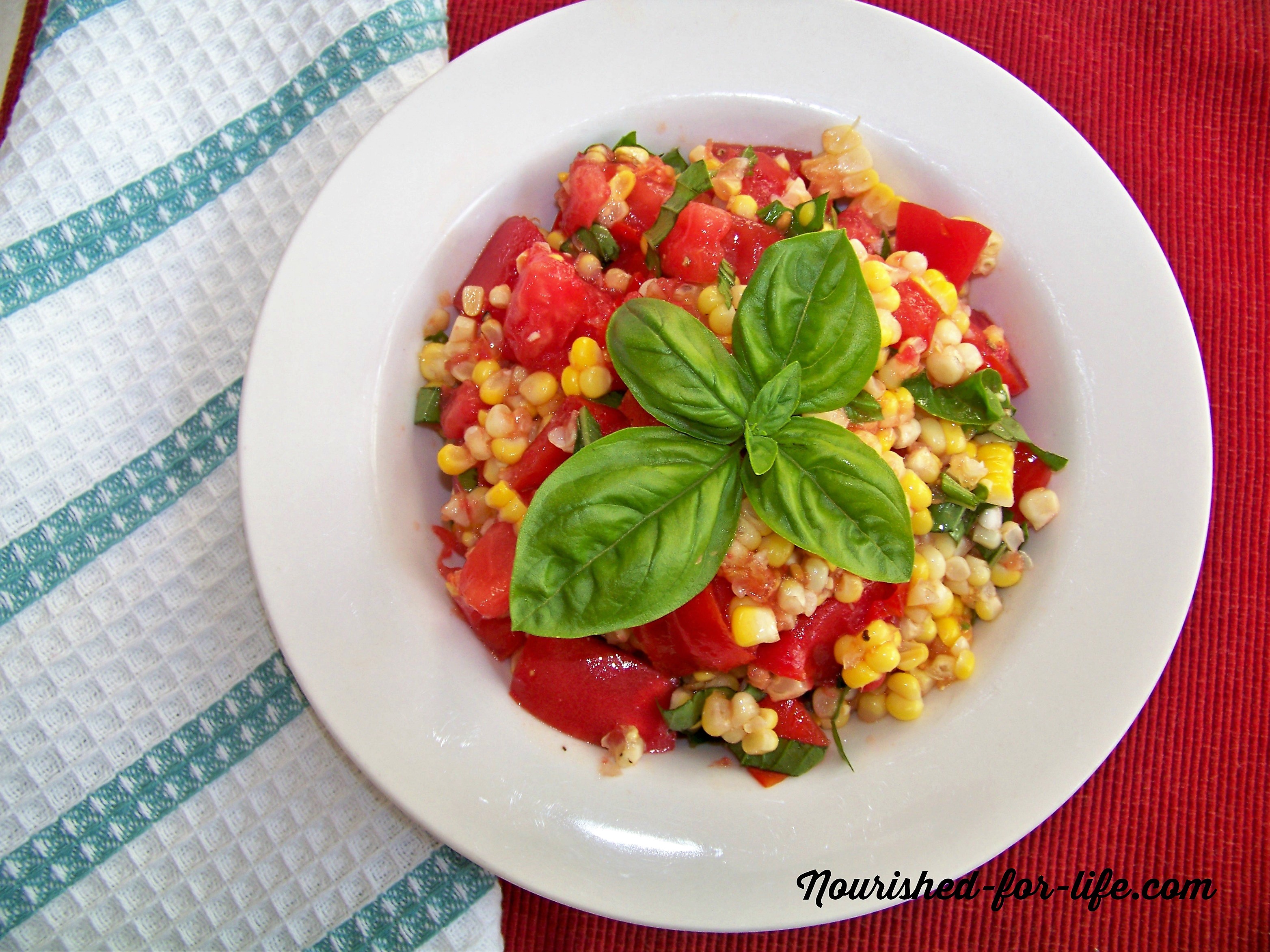
Summer Tomato Corn SaladWhen we make sweet corn, I always cook a few extra ears for this salad. If your corn is really fresh and tender, you don’t even have to cook it! I chop the freshest most delicious tomatoes we have (preferably a mix of sungolds, grape or cherry, and different colors of heirloom tomatoes) and then add the leftover corn (cut from the cob).

Drizzle with a good quality extra virgin olive oil, sprinkle with sea salt and pepper. and a generous handful of fresh basil. Summer heaven on a plate!

This salad is delicious on its own or as a side salad with an organic, pastured chicken breast.

Summer Tomato Corn Salad

Calories: 235kcal

Ingredients

  • 2-3 cobs sweet corn kernels removed (please use organic, non-GMO corn)
  • Aprrox. 1 lb fresh local summer tomatoes 3 medium tomatoes or a combination of sun gold, grape, cherry and heirlooms
  • Approx. 1/4 c. Fresh basil leaves thinly sliced
  • Extra virgin olive oil
  • Sea salt & pepper to taste

Instructions

  • Combine corn, tomatoes & basil in bowl. Add extra virgin olive oil, salt and pepper & toss gently to combine.
  • Enjoy immediately or store, refrigerated, up to 2 days.

Make sure to check out the Upcoming Events on my website and follow me on Facebook for all of the latest news!

Have a great week! Especially those of you heading back to school this week!!!

XOXO,

Kristi

PS:  If you’re heading back to school this week and need some lunch box inspiration, check out my blog post on Real Food School Lunches in Ten Minutes a Day!

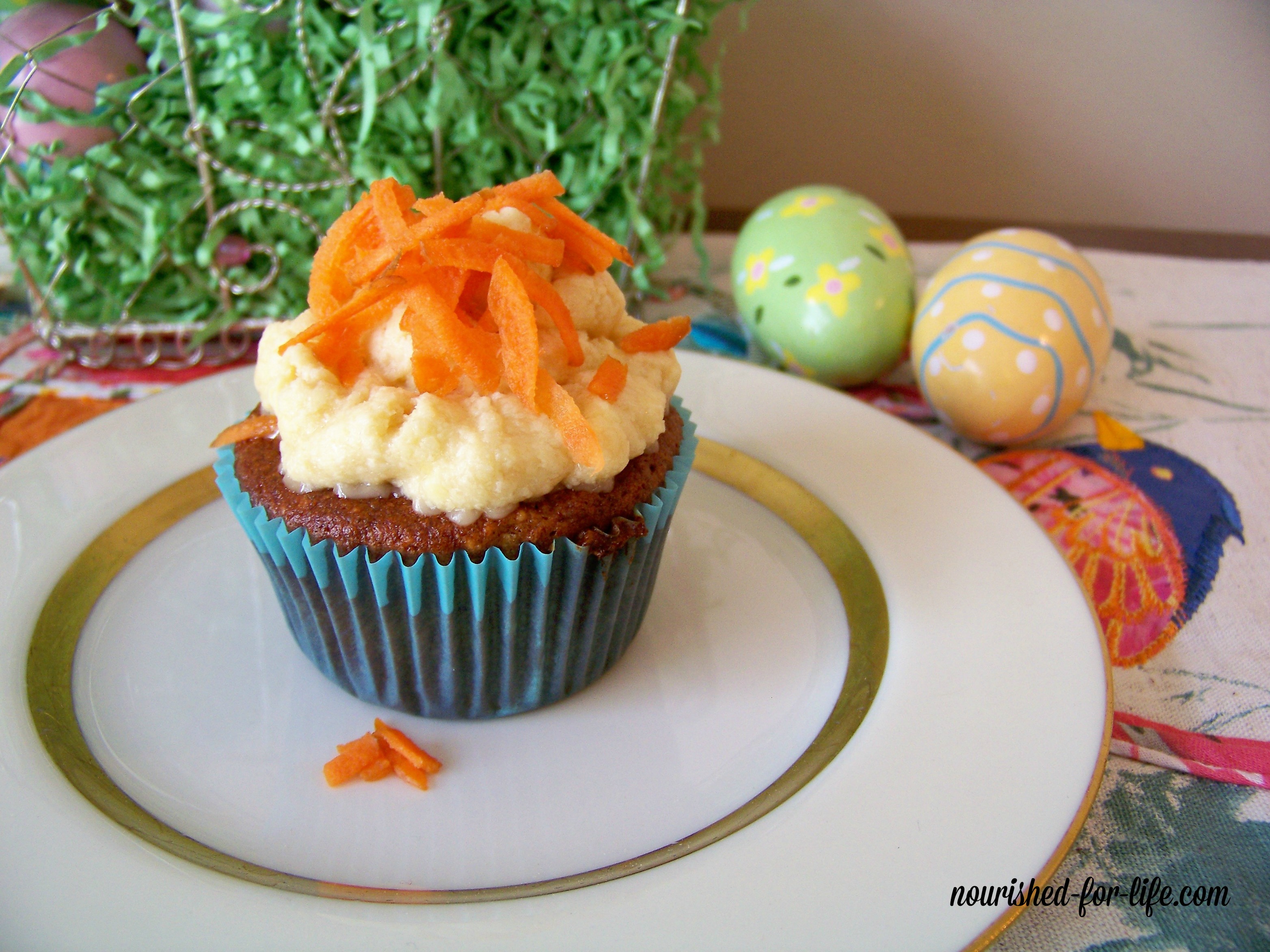
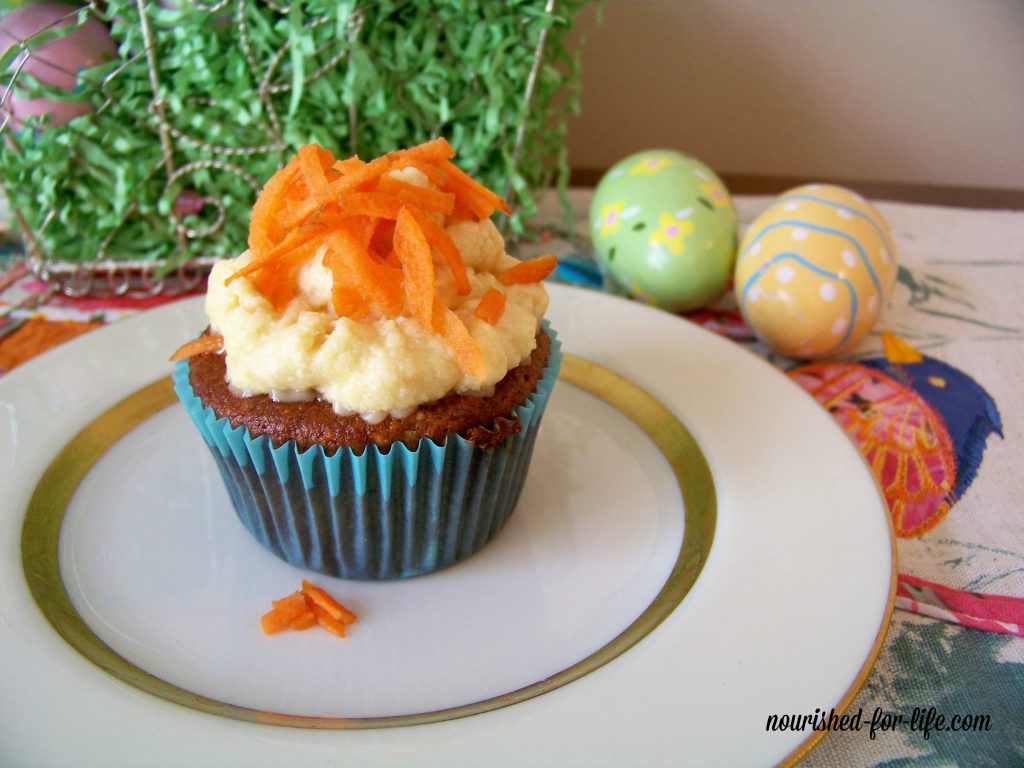
Paleo Carrot Cupcakes

Happy Easter, friends!

I absolutely love spring. It has been beautiful here the past few days and getting outside for soccer games and walks around the neighborhood is so good for my soul! Easter is also one of my favorite holidays, maybe because its spring and also, I think, because the focus is on faith and enjoying time together rather than all of the other trappings that makes some other holidays so hectic and stressful.

Today I have a new recipe for you that is perfect for your Easter celebration this weekend and a book recommendation.

Paleo Carrot Cupcakes

Paleo Carrot Cupcakes

When our daughter turned one, I wanted to make carrot cake cupcakes for her birthday. Of course they had to be gluten and dairy free, but I also wanted them to be free of refined sugar and oils and as healthful as I could make them. I looked at dozens of recipes and none were quite what I wanted. So I used all of my healthy baking tricks and created these. They were a big hit with the whole family. So much so that I made them again for my husband’s birthday a month later and for Juliette’s 2nd birthday as well.

These cupcakes are so healthful, high protein and nutrient dense they could easily be breakfast muffins. Without the icing, they are completely free of any refined sugar. For moist, delicious and nutritious muffins, add in the walnuts and golden raisins and skip the icing. Shhh …. don’t tell my family they’re really super healthy muffins, they think they’re getting cupcakes.

Since I was making these for birthday “cupcakes” and now an Easter treat, I did add icing with powdered sugar to make them a bit more fun and festive, but that is completely optional.

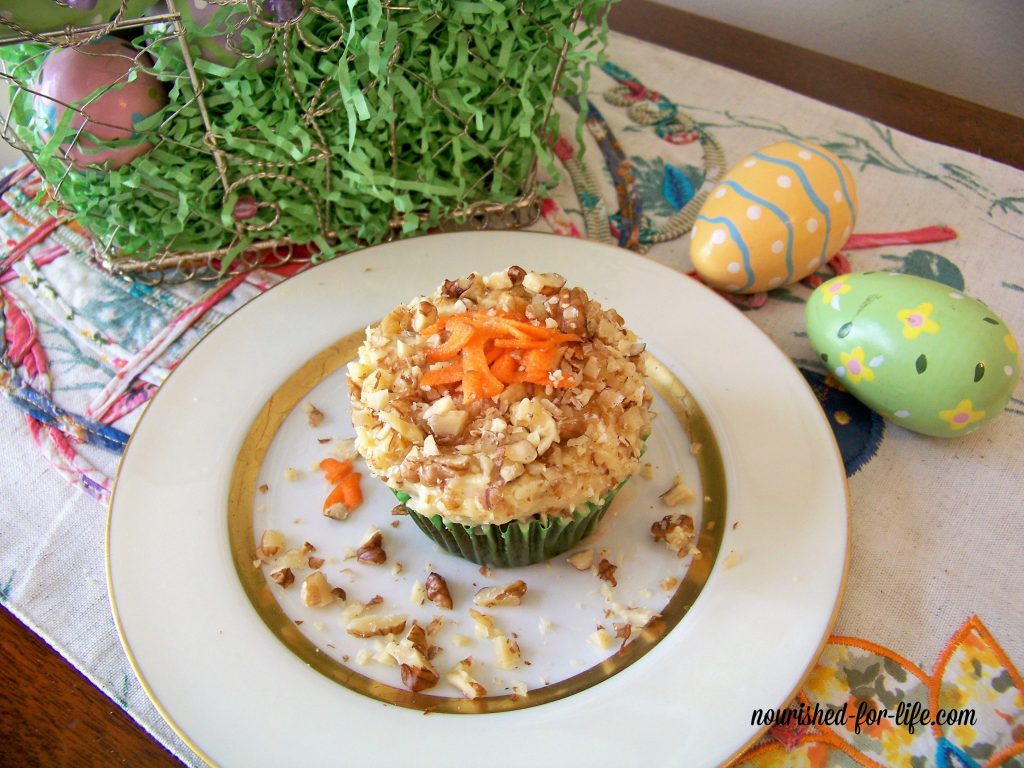
The maple icing is my dairy-free version of a buttercream icing and its delicious with these cupcakes. I love to top them with carrot & walnuts too, but that isn’t necessarily my kiddos favorite. So eat them plain, iced, or with whatever toppers you and yours will enjoy!

Paleo Carrot Cupcakes

Might I suggest, if you are looking for a delicious, fun and healthful treat for your Easter brunch these might be the perfect thing. They will be making an appearance at our house next weekend!

If you’re looking for other Easter treats, you might also consider my Buckwheat Brownies (gluten free, dairy free and refined sugar and oil free) or these amazing little Salted Caramel Almond Clusters.

Lessons from The Blue Zones

The past few weeks I’ve been reading a book called The Blue Zones by Dan Buettner. Buettner and a team of researchers have spent years finding and researching places around the world with extraordinarily high concentrations of centenarians. They have found five such “Blue Zones” and Buettner tells stories of the centenarians he has met in each of the Blue Zones and outlines the diet and lifestyle factors which appear to contribute to the health and longevity of people of these regions. It’s a fascinating read for anyone interested in healthy living. The amazing thing is not just the longevity of the people of these regions, but their health as they age. He tells stories of 80 or 90 year olds he mistakes for 60. And they continue to be very active, walking every day, working in their farms, vineyards and gardens, caring for grandchildren and great-grandchildren, spending time with friends and family and contributing their communities well into their 80s, 90s and 100s.

Here are some of the common factors which appear to increase both the life span and more importantly, the health span of people in these regions:

  1. Move more — Stay active! Intentional exercise is wonderful, but just adding more movement to your every day life appears to make a big difference. Walk more. Park at the back of the parking lot and walk further to the store or office. If you work at a desk all day, get up and walk around the office for five minutes every hour. Climb stairs. Ride a bike. Garden. Play a recreational sport. Stretch while you’re watching tv in the evenings. Do yoga. Do isometrics while you’re standing in line at the grocery store. Chase your kids or grand kids around. The healthiest people don’t sit still and continue to stay active as they age.
  2. Eat less — Okinawans say “hara hachi bu before every meal–a Confucian-inspired adage that is a reminder to stop eating when their stomachs are 80% full. We tend to eat until we’re full. Okinawans eat until they are no longer hungry. This is a significant difference. As one researcher notes, “We gain weight insidiously, not stuffing ourselves, but eating a little bit too much each day–mindlessly.” (Buettner at 271) As a result of this attitude, people in each of the Blue Zones tend to consume fewer calories every day. Reducing calorie intake has been shown in many studies to prolong life, and an expanding waistline correlates with an increase in almost every western disease including heart disease and diabetes.
  3. Eat a whole food, plant based diet — In addition to eating fewer calories, people in the Blue Zones also eat nutritionally dense, real unprocessed foods, rather than the calorie-dense and nutritionally deficient foods commonly found in the western world. Each of these cultures also eat a very limited amount of meat. Strict Seventh Day Adventists of Loma Linda, California (the only American Blue Zone) are vegetarians. The other Blue Zones traditionally only had access to meat on rare occasions and reserved it for Sundays or holidays. Traditional Sardinians, Nicoyans and Okinawans eat what they produce in their gardens, supplemented by duram wheat (Sardinians), sweet potato (Okinawans) or maize (Nicoyans). “[S]cientists analyzed six different studies of thousands of vegetarians and found that those that restrict meat are associated with living longer.” (Buettner at 275-76) Beans, whole grains, garden vegetables, fruit and nuts are the basis of all of these longevity diets. If/when you do eat meat, make sure it is from grass-fed or pastured, hormone and antibiotic free animals. When it comes to animal products, spend your grocery dollars on quality, rather than quantity.
  4. Have a purpose — Okinawans call it ikigai and the Nicoyans of Costa Rica call it plan de vida. Both phrases translate essentially as “why I wake up in the morning”. An 11 year study of people ages 65-92 found that individuals who had a strong sense of purpose, a goal in life, both lived longer and were sharper and higher functioning than those who did not. This may be as simple as caring for grand children or a hobby you enjoy. Volunteerism–helping others–is also important to feelings of fulfillment and healthful aging. Exercising your brain by learning a new language or doing things that are novel and complex has also been shown to decrease memory loss and may decrease risk of Alzheimer’s. (Buettner at 281)
  5. Relieve stress — Its so important to our health to find time and ways to slow down, relieve stress and increase our serenity and people in the Blue Zones all seem to do this well. Sardinians pour into the streets every day at 5 pm to socialize with their friends and neighbors. Nicoyans take a break every afternoon to rest and socialize. Traditional Okinawans each have a group of life-long friends called a “moai” that they visit with every evening before dinner. For Adventists, Saturday Sabbath is an entire day when they stop their work, homework, sports and weekly activities. They spend the day focused on God, family and spending time in nature (which often includes a hike). All of this results in a greater sense of well-being and lower stress. (Buettner at 284) Chronically elevated stress hormones causes chronic inflammation, which accelerates aging and increases our risk of all of the so-called “age-related” diseases such as heart disease, diabetes, Alzheimer’s and even cancer.
  6. Belong to a faith community — Centenaries in the Blue Zones are all people of faith. Studies have shown that attending religious services make a difference in how long a person lives. One study found those who attended religious services at least once a month reduced their risk of death by about a third, an impact about as great as that of moderate physical exercise. Faith in God and a higher purpose lowers stress levels and promotes peace. “It appears that people who pay attention to their spiritual side have lower rates of cardiovascular disease, depression, stress and suicide and their immune system seems to work better.” (Buettner at 288)
  7. Make Family a Priority — Centenarians in the Blue Zones “tended to marry, have children, and build their lives around that core. Their lives were imbued with familial duty, ritual, and a certain emphasis on togetherness.” (Buettner at 290-91) “By the time centenarians become centenarians, their lifelong devotion produced returns: Their children reciprocate their love and care. Their children check up on their parents, and in four of the five Blue Zones, the younger generation welcomes the older generation into their homes. Studies have found that elders who live with their children are less susceptible to disease, eat healthier diets, have lower levels of stress, and have a much lower incidence of serious accidents.” (Buettner at 291) Another study found that elders who live with their families had much sharper mental and social skills.

These are not isolated factors, but tend to go hand in hand. For example, moving more, faith in God or a higher power and close relationships with family all help to relieve stress. I highly recommend reading the stories of fascinating centenarians from around the world and I think you will be inspired to adopt a longevity lifestyle too.

Buona Pasqua! A blessed Easter to you and yours. I hope you each enjoy this special time with nourishing and delicious food and, just as importantly, make the time to nourish your body, mind and soul by connecting with your faith, family, friends and getting outside to enjoy God’s beautiful creation.

XOXO,

Kristi

Paleo Carrot Cupcakes (gluten free, dairy free, refined oil & sugar free)

These nutrient dense and delicious carrot cupcakes are make the perfect healthful Easter treat or first birthday cupcakes. Free of gluten, dairy and refined oils.
Prep Time30 minutes
Cook Time25 minutes
Total Time55 minutes
Servings: 18 cupcakes
Calories: 355kcal

Ingredients

  • 1 ripe banana mashed well with a fork (1/2 cup)
  • 4 oz. unsweetened organic applesauce
  • 1 c. grated carrots I have also used pulp from my carrot, orange and ginger juice
  • 1 c.
  • almond butter
  • 1/4 c.
  • coconut oil
  • , melted I put a glass jar in the oven while it preheats to melt the coconut oil
  • 3 eggs
  • 4 T
  • pure maple syrup
  • 2 tsp. vanilla
  • 1 c.
  • almond flour
  • 1 tsp.
  • baking soda
  • 1 tsp.
  • sea salt
  • 2 tsp. cinnamon
  • 1 tsp. nutmeg
  • 1/2 c. golden raisins optional add-in
  • 1/2 c. chopped walnuts optional add-in
  • Dairy Free Maple "Butter"Cream Icing
  • 1 c.
  • Nutiva Shortening
  • I have also used 1/2 c. coconut oil and 1/2 c. palm shortening
  • 1 tsp. vanilla
  • 1/2 c. pure maple syrup
  • 2 to 3 cups powdered sugar

Instructions

  • Preheat oven to 350 degrees and grease or line muffin tins to hold 18 muffins.
  • In a medium bowl, stir together all ingredients in the order listed. Add the golden raisins and walnuts if desired. Mix until well combined.
  • Scoop batter into greased or lined muffin pan, filling each cup 3/4 of the way full.
  • Bake at 350 degrees for 20-25 minutes, or until cupcakes are golden and baked through. Cool completely.
  • While cupcakes are cooling, make the icing. Combine the shortening and 2 cups powdered sugar in the bowl of your stand mixer, fitted with the paddle attachment. Add maple syrup and vanilla and mix well. Mix until combined, adding more powdered sugar as needed to achieve the desired consistency. Ice completely cooled cupcakes and enjoy!

The Skinny on Vegetable Oils & My Go-To Salad Dressings

I hear a lot of questions about salad dressing, and with good reason. Bottled salad dressings are typically filled with highly questionable or downright harmful ingredients like highly processed GMO oils, sugar or high fructose corn syrup, artificial flavors and chemical emulsifiers and preservatives.

I often dress my salad with a drizzle of flax or extra virgin olive oil and a squeeze of lemon juice or balsamic vinegar. You can find two of my favorite salads where I do just this here and here. For Mexican themed salads I love to use organic salsa or fresh homemade pico de gallo and guacamole in place of dressing.

But making your own dressing is quick and easy if you have a well stocked pantry and spice cabinet. Just follow a basic formula of 2-3 parts oil to one part acid (any variety of vinegar or citrus juice) and then experiment with adding herbs and spices to come up with your own favorites. (Technically, a vinaigrette is 3 parts fat, one part acid.) Save your old salad dressing bottles, spice or jam jars, or I like to use and re-use these very affordable salad dressing bottles from Amazon. There are other great options on Amazon as well.

Use minimally processed and health promoting oils like flax, coconut or extra virgin olive oil. Look for cold pressed or expeller pressed, organic oils.

Avoid processed “vegetable” oils including soybean, safflower, sunflower, cottonseed, peanut, canola and corn oil.

These grain or seed oils are highly processed processed and refined. Can you imagine the energy and effort it takes to extract oil out of a kernel of corn?! The oil is generally extracted from the seed or bean with high heat (which destroys any nutritional value and oxidizes the oil, turning it rancid and harmful to the human body) and toxic petroleum based solvents such as hexane, traces of which remain in the oil. Then the oil must be further chemically refined to eliminate undesirable smells, flavors and colors and make it palatable. Some of these oils go through an additional process called hydrogenation, to make them solid at room temperature and increase the shelf life. These hydrogenated oils (trans fats) are used in processed foods and sold as margarine or shortening.

Soybean, corn and canola oils are almost certainly from GMO crops (unless they are certified organic). These crops have been genetically modified to withstand exponentially higher quantities of the herbicide glyphosate (Roundup), which is an endocrine disrupter and “probable carcinogen”, according to the World Health Organization. Glyphosate kills everything except the genetically modified crop and then remains in our food.(1)(2)

We have been told by various adversory groups and the government’s own dietary recommendations to avoid saturated fats and replace them with polyunsaturated fats (PUFAs) instead. As a result, between 1909 and 2009, the consumption of PUFAs increased by 300%!(3) Soybean oil consumption alone has increased 1000-fold since 1900.(4) In 1999, at the turn of the millennium, soybean oil made up an astonishing 20% of calories consumed in the United States.(5) And this has turned out to be incredibly detrimental to our health.

In his book Eat Fat, Get Thin (which I highly recommend) Mark Hyman, MD, Director of the Cleveland Clinic Center for Functional Medicine, explains how this erroneous dietary advice occurred in the first place and details the studies that show diets high in PUFAs (in the form of hydrogenated oils/trans fats AND liquid vegetable oils) are among the leading causes in the epidemic of western diseases we now face including obesity, heart disease, diabetes & cancer.

One of the issues with the studies on which this dietary advice was based is that they didn’t differentiate between the two types of PUFAs–omega-6 fatty acids and omega-3 fatty acids. Omega-3 fatty acids fight inflammation and disease, while omega-6 fats fuel inflammatory pathways in the body.(6)

A healthful diet should include equal amounts of omega-6 and omega-3 essential fatty acids. The typical American diet now contains many, many more omega-6s than omega-3s. (7) Too many omega-6 oils in our diet promotes inflammation in our bodies(8)(9). Dr. Jospeh Hibbeln, a leading researcher at the National Institutes of Health, believes that the over-consumption of omega-6 fats and the underconsumption of omega-3 fats have led to increases in:

  • cardiovascular disease
  • Type 2 diabetes
  • obesity
  • metabolic syndrome (pre-diabetes)
  • irritable bowel syndrome and inflammatory bowel disease
  • macular degeneration (age-related blindness)
  • rheumatoid arthritis
  • asthma
  • cancer
  • psychiatric disorders and
  • autoimmune disease (10)

Most Americans cook with these oils at home, eat them in restaurants, and they are found in almost every packaged, processed food we buy. Even commercially raised meat is high in omega-6s. Wild game and grass fed or pastured animals are high in omega 3-s, because the animals are consuming mostly grass and green plants. But since the Industrial Revolution, commercial farmers have been feeding animals grains and seeds high in omega-6s and low in omega-3s, rather than the animals’ traditional diets. This means even the meat most of us eat is high in omega-6s and very low in omega-3s.(11)

You can reduce your consumption of inflammatory omega-6 oils by changing the fats you cook with at home, avoiding processed packaged foods, avoiding fast food and being careful what you choose in restaurants and switching to meat from grass fed or pastured animals. Making your own salad dressing with healthful oils is also a good start to regaining the right balance of omega-6 and omega-3 essential fatty acids.

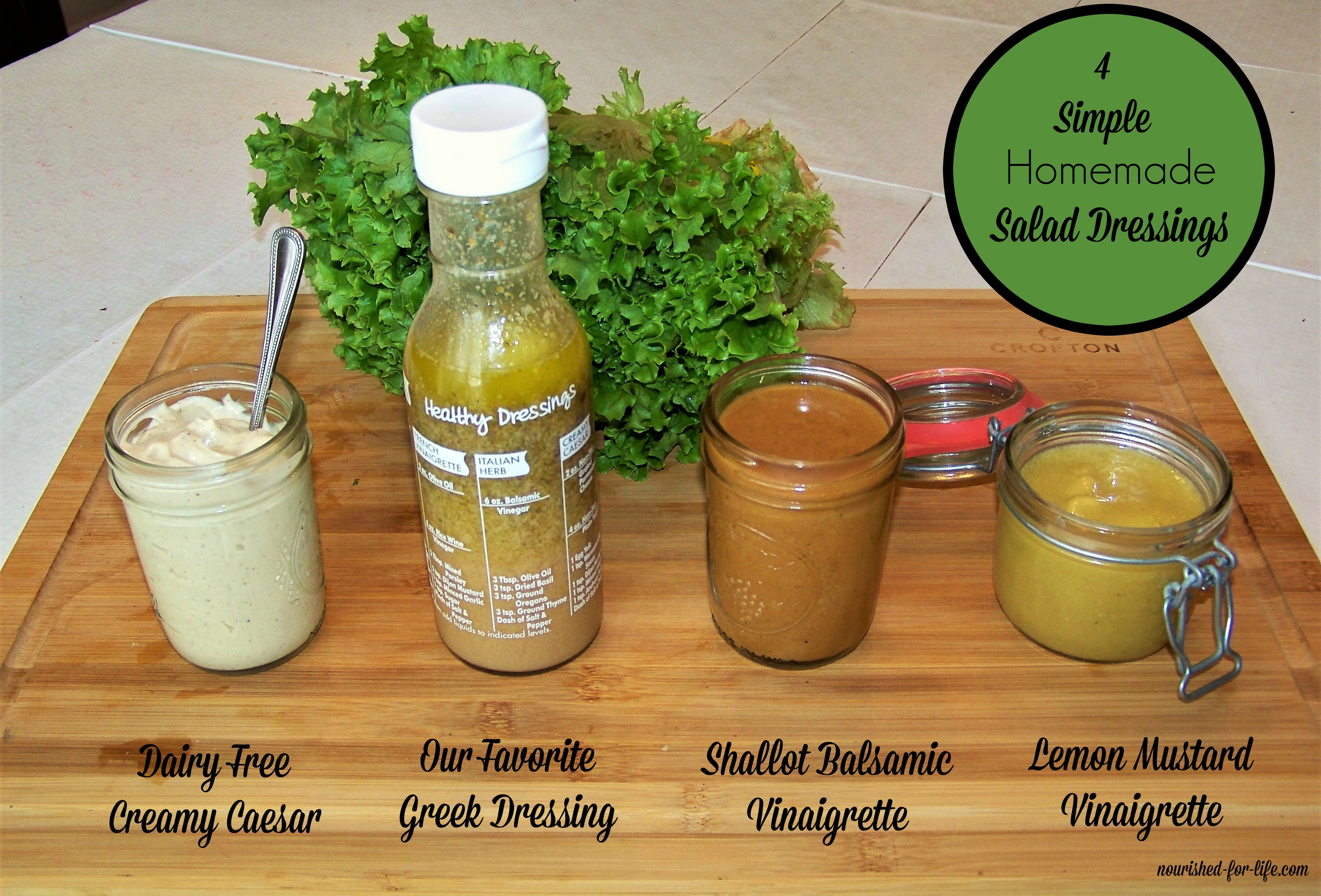
Making your own dressing is so easy and gives you endless flavor options with health promoting, real foods. Here are four of my go-to salad dressings, along with our favorite salad pairings. Try all of them and then experiment and come up with your own favorites!
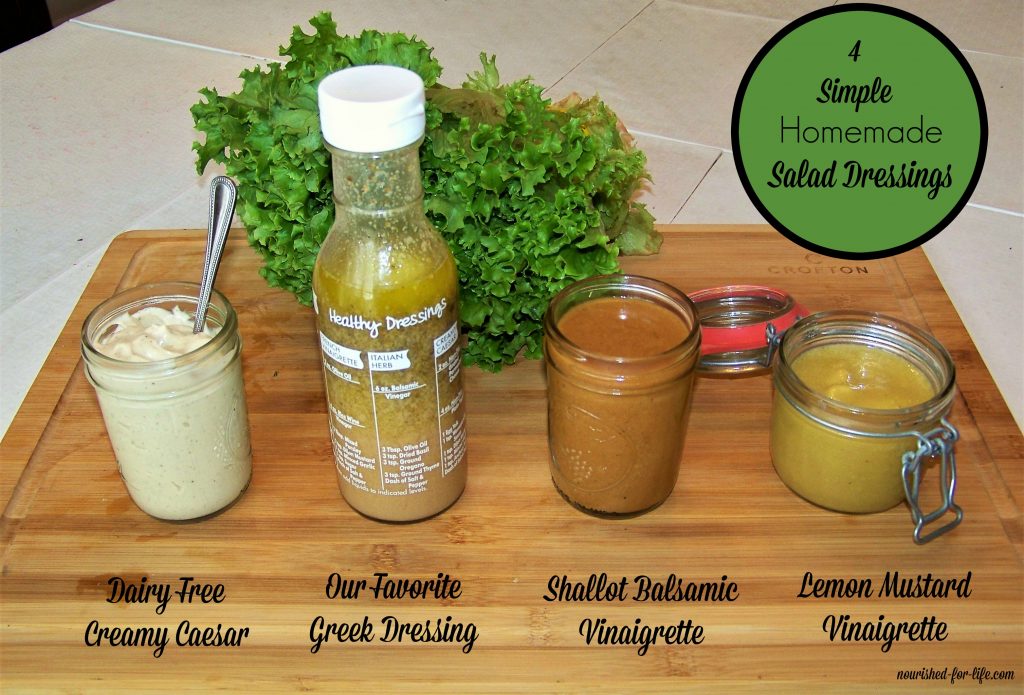
Salad Dressings

Greek Dressing

3/4 c. good quality extra virgin olive oil (I use California Olive Ranch)

1/2 c. Red wine vinegar (or Bragg’s apple cider vinegar)

2 tsp garlic powder

2 tsp onion powder

2 tsp dried oregano

1 tsp ground mustard seed

1 tsp black pepper

1 tsp good quality sea salt (I use Celtic sea salt or Redmond Real Salt)

Pour all ingredients into a glass jar or a 12 oz. dressing bottle and shake well. Refrigerate until ready to use.

Good quality extra virgin olive oil solidifies and turns cloudy in the refrigerator. This is one way you can tell whether your olive oil is pure and of good quality. In a study done a few years ago at UC Davis, the vast majority of EVOO tested was found to not actually be extra virgin or to be adulterated with lower quality processed oils. So when you’re paying for extra virgin olive oil for its health benefits, its good to confirm you actually have the good stuff! Just take it out of the refrigerator 15-20 minutes before you want to use it, or let the bottle sit in a bowl of warm water for a few minutes. Shake well and enjoy this dressing with green leaf, red leaf or romaine lettuce, topped with tomato, cucumber, red onion and black olives. Optionally add a bit of feta or goat cheese.

Lemon Mustard Vinaigrette

1/4 cup fresh lemon juice (juice from 1-2 lemons)

2 T Dijon mustard

Sea salt and pepper to taste

3/4 cup extra virgin olive oil

Place all ingredients in a small jar or dressing bottle with a lid and shake well. Alternatively, add the first three ingredients to your Vitamix, blend, and then drizzle in the olive oil with the blender running till you have a smooth creamy emulsification. We like this dressing on spinach, kale, bok choy or other dark leafy Asian greens such as pak choy, mizuna or yukina savoy. On each salad I like to add crumbled bacon (please only use nitrate-free bacon from clean, pastured animals), sliced hard boiled egg (or feta cheese) and a handful of walnuts, pecans or sunflower seeds. The tartness of the dressing and some added fat from the bacon, egg and nuts really cuts through these sometimes slightly tough or bitter greens.
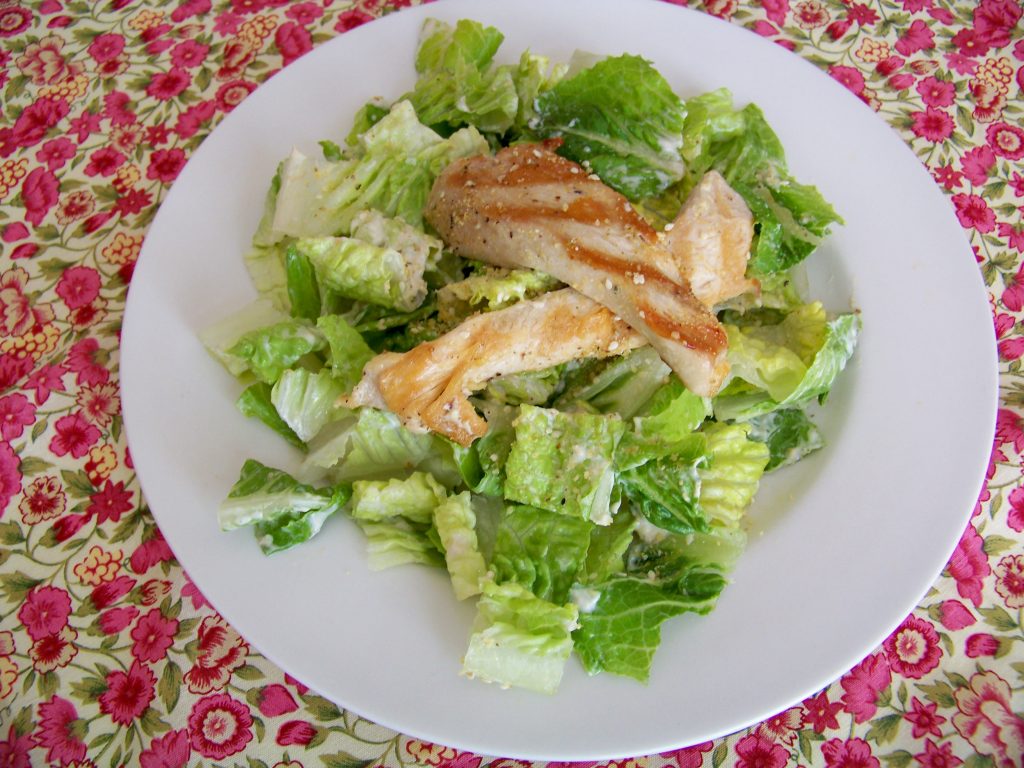
Caesar Salad

Dairy Free Creamy Caesar Dressing

*Adapted from Once Upon a Time: Recipes and Recollection from a Rover City (Jr. League of Evansville 2003)

3 cloves fresh garlic

3/4 c. mayonnaise (For the healthiest option, make you own mayo. If you use store bought, look for one with the fewest and best ingredients possible. We usually use Real Mayo which isn’t perfect but better than some other options.)

2 tsp. capers with brine

1/2 to 1 tsp. anchovy paste (we like the full tsp–the saltiness and umami from the anchovy makes up for the missing cheese in this recipe, but tailor this to your anchovy taste!)

1 T fresh lemon juice

1 tsp Worcestershire sauce

1 tsp. Dijon mustard

Sea salt and fresh ground black pepper to taste (I use Celtic Sea Salt or Redmond Real Salt)

Place all ingredients in your Vitamix or a good quality blender and blend until smooth. We love to toss this dressing with chopped romain and top it with grilled chicken for a gluten and dairy free Chicken Caesar Salad. Sometimes I make crutons from gluten free bread to make my kids happy, but its just as good without.

Shallot Balsamic Vinaigrette

1/4 c. balsamic vinegar

1/2 tsp sea salt

1/4 tsp fresh ground pepper

l shallot, cut in half or quarters

2 T raw honey

3/4 c. extra virgin olive oil

Place first 5 ingredients in your Vitamix and blend. With blender running, slowly add olive oil and keep blending until you have a smooth emulsification.

We enjoy this dressing on mixed greens with berries or dried fruit and nuts. I also like beets and an avocado with this dressing.  Optionally add some crumbled Gorgonzola or blue cheese.

In other news … 

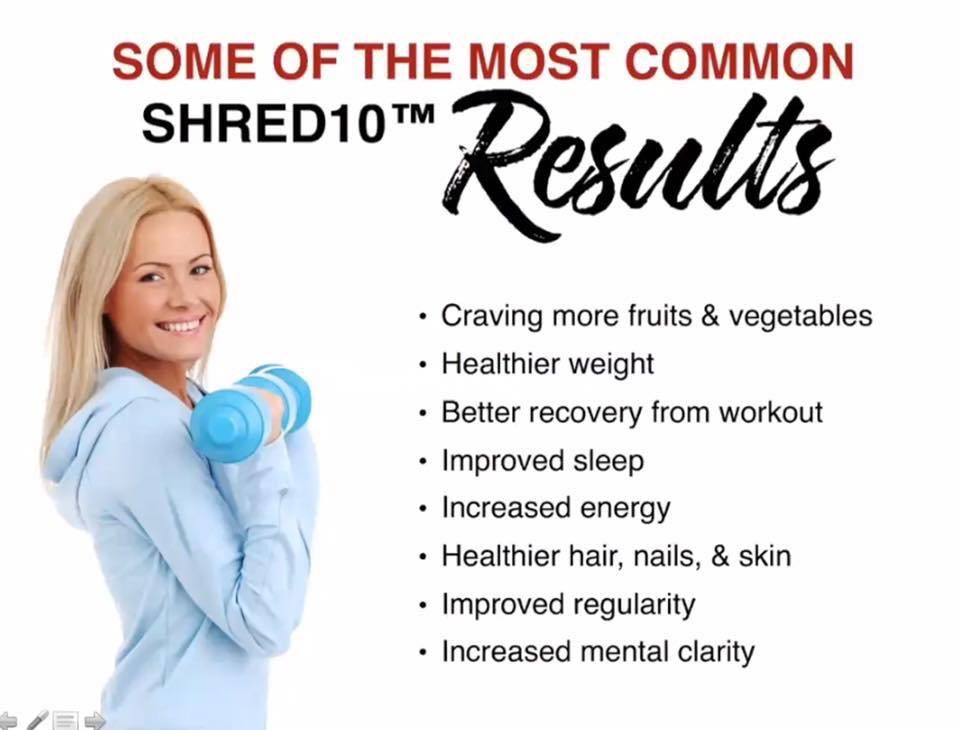
Shred10

I am hosting two new Shred10 accountability groups starting Monday, March 6 and Monday, April 3. You do not have to be local to join in! This ten day program will help you jump start your health and includes help with meal planning and recipes, daily private coaching from me by text or phone and plenty of encouragement and accountability to help you achieve your health and wellness goals.

If you are ready to take the next step in your health journey, contact me for more information. Life is way too short not to be your healthiest and feel your best every single day!!   

Prime Time Health

Four Wednesday evenings in March, beginning this Wednesday, March 8, I’ll be teaching a workshop series called Prime Time Health. This workshop is a wealth of information for any adults or seniors who want to take charge of your own health and learn how to feel better, sleep better, have more energy, reduce inflammation and prevent disease. If you want to live longer and better, this series is for you!

Register here or contact me for more information.

Taste the Shred

On March 16, from 6 to 7 pm, we have an event at the Newburgh Central Library called Taste the Shred. Chef Adam Edwards will be cooking up several recipes from our Shred10 guidebook for you to taste. Join us to learn more about this health changing ten-day program and see for yourself how delicious healthy can be!

Register here or contact me for more information.

Spring is in the air, friends! Its a perfect time to get outside, breath deeply and get serious about changing your health and your future!

XOXO,

Kristi

PS.  Make sure to follow Nourished for Life on Facebook for all of the latest news and even more health and wellness related information!

Sources:

  1. https://www.ncbi.nlm.nih.gov/pubmed/19539684
  2. https://www.iarc.fr/en/media-centre/iarcnews/pdf/Q&A_Glyphosate.pdf
  3. TEDxHarvardLaw — Dr. Stephan Guyenet, The American Diet
  4. Mark Hyman, MD, Eat Fat, Get Thin (2016) at p. 80
  5. Hyman at p. 117
  6. Hyman at p. 77, 118
  7. http://www.sciencedirect.com/science/article/pii/S0753332206002435
  8. Hyman at 79
  9. https://www.ncbi.nlm.nih.gov/pubmed/19022225
  10. Hyman at 124-24, citing Hibbeln JR, Nieminen LR, Blasbalg TL, Riggs,JA, Lands WE. Healthy intakes of n-3 and n-6 fatty acids; estimations considering worldwide diversity. Am J Clin Nutrition. 2006 Jun:83(6 Suupl.); 1483S-93S.
  11. Hyman at p. 117

Healing Chronic Inflammation & 3 Healthy Treats (Strawberry Smoothie, Banana Swirl Ice Cream & Healthy Mocha Frappuccino)

Hello friends!  I’ve been working on some behind the scenes organizational things here at Nourished for Life and I have some really exciting things planned for the year that I can’t wait to share with you!

In February and March we have 4 workshops (2 individual workshops & 2 different workshop series) scheduled. Please check out the Specials and Upcoming Events for all of the details. Sign up for one or all of these opportunities and bring a friend or two with you! They are all going to be so much fun and packed full of amazing info to help you wherever you are in your health journey!

If you follow me here or on Facebook, you know I’ve been “shredding” this month and I have to tell you I LOVE this program and I love how great I feel. Shred 10  is a ten day program to help you detox and jump start your health. We use tons of whole food nutrition, avoid harmful & inflammatory foods, drink plenty of water, eat your last meal by 6 pm to allow your body time to digest and really rest and rejuvenate during the night, get at least 8 hours of sleep and 20-30 minutes of movement every day. Most of our participants feel so great that they stick with it well beyond the ten days.

Healing Chronic Inflammation

I am gluten and dairy free and eat real, whole unprocessed foods and avoid sugar and caffeine most of the time. But even I found myself having a few too many cheats and treats over the holidays and in need of a detox program. It doesn’t take very much of these inflammatory foods for me to start seeing signs of chronic inflammation such as really dry, red & itchy skin, breaks outs and joint pain. I started having quite a bit of knee pain and at bedtime on New Years Eve was a bit horrified to see my knees were swollen and black and blue! I’m 41 and have 4 young kids. My youngest is 2 and I plan to be able to keep up with her and dance at her wedding. I also know these symptoms are big red warning flags telling me my body is in a state of chronic inflammation, which will lead to more serious health problems if I don’t do something about it. Chronic inflammation is at the root of so many health conditions and diseases.

So I started shredding January 2 and I’m thrilled that I’m back to feeling great! I even wore a dress that showed my knees and high heel boots to church on Sunday. It’s amazing how even a small amount of inflammatory foods can cause such havoc on our bodies! And amazing how quickly our bodies can heal when we nourish them properly with real whole foods and a healthy lifestyle.

Common signs of chronic inflammation include:

  • skin issues (eczema, psoriasis, red, blotchy or itchy skin, blemishes or break outs)
  • ongoing swelling, joint  or muscle pain
  • seasonal allergies and asthma
  • IBS or digestive problems (bloating, gas, diarrhea or constipation)
  • food allergies and sensitivities
  • fatigue or lethargy
  • high blood pressure
  • blood sugar problems

Please don’t make the mistake of thinking these symptoms are just part of life, or a normal part of aging! Many health conditions and diseases are associated with chronic inflammation, including things like heart disease, cancer and autoimmune conditions like multiple sclerosis, ulcerative colitis, Chron’s disease or rheumatoid arthritis. Please pay attention to your body and take steps to eliminate chronic inflammation.

If you suffer from any of these signs of chronic inflammation, a whole food, plant based diet and healthful lifestyle changes can help. If you want to reduce your risk of disease, feel bettter, have more energy or achieve your ideal weight, the Shred 10 is a great way to get started and see a big difference in your health in a short period of time. The program includes a terrific guidebook with a wealth of info and recipes, private health coaching from yours truly and a private Facebook group for added support, encouragement and accountability. Our last group was amazing and I’m so excited for our new group starting February 6. Please contact me if you’d like to be included or learn more! You won’t be sorry!

A 3 month private health coaching package is also a great option if you need help fighting chronic inflammation through diet and lifestyle changes. Contact me to schedule your Initial Wellness Consultation and take advantage of my January coaching special.

I start almost every day with a green smoothie and since I’ve been shredding, smoothies and shakes have been a big part of my life the past few weeks! You can find my favorite green smoothies here. Today I’m sharing three of our other favorites.

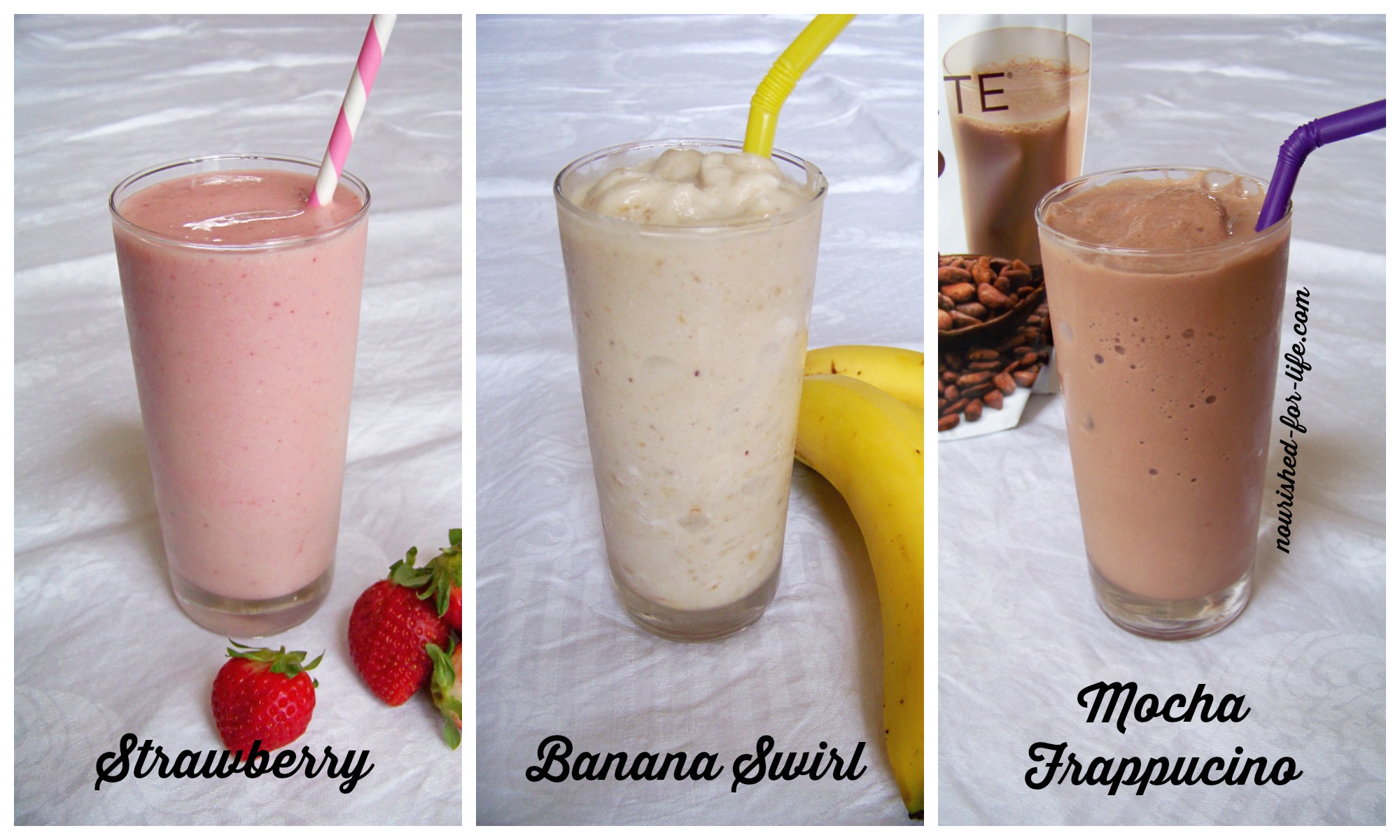
Strawberry Smoothie, Banana Swirl Ice Cream & Healthy Mocha Frappuccino

Strawberry smoothies are my oldest daughter’s favorite.

Banana Swirl is in honor of my youngest daughter, who LOVES Daniel Tiger’s Neighborhood. In one episode Daniel tries some new healthy foods and finds out he likes them! He and his mom make a banana smoothie in the blender for dessert and Mom Tiger calls it “Banana Swirl”. So if you have a toddler, find that episode on Amazon Prime and whip up some Banana Swirl together!  Use ripe, already frozen bananas and it can be a smoothie or ice cream, depending on how much milk you add.

My current favorite is my copy cat Healthy Mocha Frappucino. Save your pocket book and your health and make this at home instead of going through the drive thru at Starbucks!  If you use protein shakes, I love and recommend Juice Plus Complete, which is a whole food, plant based protein powder that will keep you full, stabilize  your energy and help control cravings.

So that’s my smoothie round-up for today. Try them all and let me know in the comments which one is your favorite!

Strawberry Smoothie, Banana Swirl & Healthy Mocha Frappuccino

Ingredients

Strawberry Smoothie

  • 1 c. Almond milk
  • 1 very ripe banana peeled and frozen
  • 2-3 cups frozen strawberries
  • 1 scoop vanilla
  • Juice Plus Complete
  • plant based protein powder optional

Banana Swirl

  • 1-2 cups
  • full fat canned coconut milk
  • 3 very ripe bananas peeled and frozen

Healthy Mocha Frappuccino

  • 1 c. Almond milk
  • 1 scoop chocolate
  • Juice Plus Complete plant based protein powder
  • 1-2 cups ice
  • Optional -- add 1 shot of decaff espresso or a drop of peppermint extract

Instructions

  • When your bananas get very ripe on your counter (partially brown and super sweet) peel and freeze in a gallon size zip lock baggie for smoothies or muffins.
    Place all ingredients in a high powered blender, like a [Vitamix| http://amzn.to/2jeVVWv], in the order listed. Make sure liquid is in the bottom of the blender. Add additional milk as needed, to get the desired consistency or thickness.
    We like to eat Banana Swirl as an ice cream, so I tend to use less milk. If you want a smoothie consistency, use more milk.
    When using canned, full fat coconut milk, shake the can well before opening. If it is cool in your home, the cream will separate from the coconut water and will be at the top of your can. Stir well and use equal amounts of cream and water, or add more of the water for a thinner smoothie. Save the remaining coconut water and/or cream for another use!  

XOXO,

Kristi

Five Ways to Keep Your Family’s Immune System Healthy

100_8610Whew! Its been a really busy couple of weeks here, fitting in some end of summer fun and getting ready for the start of school. School supplies have been purchased, uniforms are ready to go and we headed out the door last Tuesday for the start of third grade. Its hard to believe I have three third graders

This time of year I always worry about how to keep my kids healthy as they sit in a classroom all day, don’t get as much sleep, fresh air or sunshine as we do during the summer, are exposed to more germs and get run down from school, homework and activities. Does anyone else feel this way?

At the start of week two, my kids are tired and my daughter was complaining of a sore throat this weekend. So I wanted share some of the things I do to keep my family’s immune systems functioning optimally, in hopes of keeping my kids from catching every bug that goes around this winter and, even more importantly, setting them up for a lifetime of good health.

Our immune system is an amazing and complex system made up of specific cells found throughout the body including lymphocytes (T-cells, B-cells and NK cells), monocytes and neutrophils; proteins such as cytokines that make up the “compliment system”; the organs that create, train or store our immune cells and certain “barriers” to the outside world that help protect us from bacteria, viruses and toxins. These barriers include our skin, mucous membranes and intestines. Our intestinal walls house 60% of the cells that make up the immune system. Our gut plays a very important part in protecting us from foreign invaders and cell damage. This is just one of the reasons gut health is so important to our immune function and overall health.    

Each type of immune cell has specific jobs. Keeping the different types of cells in balance and each one doing its job properly is vital. This past weekend I heard an analogy that I loved. Imagine your immune system is a classroom, the B-cells are the students and the T-cells are the teachers. What happens if the teachers (T-calls) leave the classroom? The students run wild, of course! When our B-cells run wild, our immune system overreacts and begins attacking healthy cells and/or triggering an immune response to things in our food or environment. This is how we end up with chronic inflammation and auto-immune diseases including allergies, asthma, MS , IBS, chronic fatigue and fibromyalgia. This is also why many people with one autoimmune disease will be diagnosed with several others in their lifetime. You may think your seasonal allergies are just a normal part of life. But they are actually a sign your immune system is out of balance. On the other end of the spectrum, if our immune system is too weak to mount a proper defense, we are susceptible to getting sick from every virus or bacteria we come into contact with, our bodies have a harder time repairing cell damage and we have a much greater risk of developing a whole host of diseases, including cancer.

Fortunately, there are some relatively simple things we can do to help our immune systems function optimally.

1. Eat more fruits and vegetables

If you know me, you probably guessed this one! Number one on the list and far and away the most important thing we can do is to eat more fruits and vegetables. Research could not be any more clear that we must get plenty of nutrients from fruits and vegetables for healthy immune function. We all have to contend with time constraints and picky kids. But its so, so important to try to get 9 servings of fruits and vegetables/day. A green smoothie for breakfast is a great way to start the day with a good dose of nutrition and help keep your digestive system healthy. Have a big bowl of fruit with your eggs or oatmeal. Pack your child’s lunch and give them 2-3 servings of fresh fruits and vegetables for lunch. If your child eats a snack at school, ask to send a piece of fruit or a bag of carrots or cherry tomatoes. Make after school snacks fruit or veggies with a healthy dip rather than something out of a bag or box. Have a green salad and at least one other non-starchy vegetable for dinner. Even one or two extra servings/day can make a big difference and small changes really add up over time.    

If you have picky kids who aren’t used to eating many vegetables, I’ve found giving kids choices and some autonomy helps. Make a game of picking out and trying new vegetables and figuring out which ones they like best. Let them decide whether they would rather have their broccoli raw, steamed or roasted. Serve two options and let them choose which they want to eat. I don’t let my kids  say something is yucky or gross or they don’t like it. We say, “that’s not my favorite” and I remind them it takes effort to learn to like something new. But when its something good for our bodies that will help them run faster and score more goals in soccer, its worth it to keep eating it anyway until we learn to like it. When I serve veggies I know aren’t my kids favorite, they have to eat at least 2 pieces or bites. They can eat it with ketchup or hummus or ranch dressing or cheese or wrapped in a piece of bread, its up to them. I used to make my kids eat one piece of lettuce per year of their age, until at some point they started not minding salad. Now they will eat a serving of leafy green salad every single night with dinner and I know, even if we don’t get any other vegetables in the rest of the day, at least we have that!        

2. Juice Plus

I know it is really hard to get in the recommended 9-13 servings of fruit and vegetables every day. So my whole family uses Juice Plus, a fruit and vegetable concentrate containing 30 different vine-ripened, chemical free and non-GMO fruits and vegetables. I’m typically a skeptic when it comes to supplements, but when I took the time to do my homework on Juice Plus, I was really impressed and it has definitely made a difference in my family’s health.  Juice Plus is our insurance policy for the days we don’t eat as well as we should.  

Juice Plus is the most researched nutritional supplement in the world and has been the subject of over 30 gold standard (randomized, double-blind, placebo controlled, peer reviewed) studies conducted by reputable institutions around the world.  It has been found to be bio-available (actually absorbed and utilized by the body), reduce damage to DNA, reduce  oxidative stress and to improve key markers of immune function. One study found Juice Plus “significantly enhanced multiple measures of immune function in elderly subjects” and another had similar findings in law students. Another study found symptoms of the common cold were reduced in nurses taking Juice Plus.

The Juice Plus Children’s Health Study has found that kids taking Juice Plus have fewer sick days, fewer doctors visits and fewer prescription medications. Kids using Juice Plus have also been found to eat more fruits and vegetables! Amazing, right? Our bodies are amazing, and when we feed them the nutrition they need, they realize it and start to crave more of those nutrients.    

3. Limit sugar as much as possible

Sugar is one of the most harmful substances in our diets today. Its effect on our immune function is just one of the many reasons to limit or avoid sugar. In the 1970’s Linus Pauling, a very influential researcher in the field of microbiology, discovered that vitamin C helps the body fight off the common cold. Bacteria and viruses are swallowed up and destroyed by a special type of immune cell called phagocytes. These white blood cells must have extremely large quantities of vitamin C to be able to destroy viruses and bacteria. Dr. Pauling’s research is the basis for our popping vitamin C pills and chugging orange juice when we are sick. But Dr. Pauling and other researchers have also found that sugar competes with vitamin C for space in our cells. Glucose and vitamin C have a similar chemical structure and both rely on insulin to enter white blood cells. If blood sugar levels are elevated, when a white blood cell tries to pull in more vitamin C from the blood around it, it will absorb glucose instead. At a blood sugar level of 120 (a level that would be normal for a healthy individual after  consuming one soda, a piece of cake or even glass of fruit juice) the white blood cells’ ability to destroy viruses and bacteria is reduced by 75%.  It can take 4-6 hours for the vitamin C in the white blood cells to reach optimum levels again.

There is a reason pediatrician visits skyrocket after Halloween and through the holidays. If you want to keep your kids healthy, cut out soda and sugary drinks; reserve sweets for rare, special treats and watch out for sugar in unexpected places like yogurt, peanut butter and condiments. 

4. Get plenty of sleep

Studies have long confirmed the importance of sleep to our immune function.  In one study of 153 otherwise healthy men and women, those who slept less than 7 hours/night for two weeks prior to the study were almost 3 times more likely to acquire a cold when exposed to a pathogen than those who got 8 or more hours per sleep. Sleep Habits and Susceptibility to the common cold. Arch Intern Med 2009, 169:62-67.

Adults need 7.5 to 9 hours of sleep per night.  Kids age 12-18 need 8.5 to 10 hours per night and kids 5-12 need 10-11 hours/night.  Not always easy in our hectic, activity-filled lives. But it makes a big difference in our ability to fight off illness.       

5. Essential oils

If you search for “essential oils” in PubMed Health, the US National Library of Medicine, you will find 141 different studies and articles about the scientific basis for the therapeutic use of essential oils.     

During the fall and winter I try to massage immune boosting, anti-viral and anti-bacterial oils into my kids’ feet morning and night. If we are sick or fighting something, I rub oils on their feet every few hours and also apply oils that help with congestion, stomach issues or whatever other symptoms we may be dealing with. A few of my favorite oils for immune health or fighting off bugs are Melaluca or Tea Tree oil, Lavendar, Lemon and Thyme. I also love a “Super Immune” blend from Ananda Apothecary. I put a drop or two of lemon oil in my water bottle for flavor and prevention and if any of us are fighting a sore throat, we drink a shot of warm water with a teaspoon of raw honey and 8-10 drops of lemon oil.  

Do your own homework and make sure you are using pure oils from a trusted source. If you are new to essential oils, its important to know how to use them. Here is a link to a page on How to Use Essential Oils to get you started.  Essential oils need to be diluted in a carrier oil before being used topically and some are much stronger than others. A few may be contraindicated for pregnancy, breastfeeding or other health conditions. So read up on the oils you are using and use caution when trying a new oil.  I use coconut or sweet almond oil as a carrier.  For applying to my kids feet, I put three or four drops of essential oils in a teaspoon of carrier oil. A little goes a long way!  

What steps do you take to safeguard your kids’ health as you head into a new school year?  I’d love to hear your experience if you use any of these strategies or if you have others that help your family stay healthy!


Disclaimer:  

Please note, I am not a medical doctor and nothing in this post should be construed as medical advice. Please do your own research and talk to your health care provider about any medical concerns you may have.   

Additional sources:
http://primaryimmune.org/about-primary-immunodeficiencies/relevant-info/the-immune-system/

http://www.whfoods.com/genpage.php?dbid=24&tname=faq

Immune Function in Elderly Smokers and Nonsmokers Improves During Supplementation with Fruit and Vegetable Extracts. Journal of Integrative Medicine (Winter 1999) vol. 2(1) 3-10. Found at http://www.sciencedirect.com/science/article/pii/S1096219099000104

Reduction of common cold symptoms by encapsulated juice powder concentrate of fruits and vegetables: a randomised, double-blind, placebo-controlled trial, British J Nutr / Volume 105 / Issue 01 / January 2011, pp 118-122. Found at http://journals.cambridge.org/action/displayAbstractfromPage=online&aid=7948498

Several Indicators of Oxidative Stress, Immunity, and Illness Improved in Trained Men Consuming an Encapsulated Juice Powder Concentrate for 28 Weeks, Journal of Nutrition. Found at http://jn.nutrition.org/content/137/12/2737.full.pdf

http://www.naturalnews.com/034185_glucose_vitamin_C.html

Sucrose, neutrophilic phagocytosis and resistance to disease, Dent Surv. 1976 Dec;52(12):46-8.

Role of sugars in human neutrophilic phagocytosis1, Am J Clin Nutr November 1973
vol. 26 no. Found at http://ajcn.nutrition.org/content/26/11/1180.abstract

www.alternativehealthatlanta.com

www.helpguide.org/articles.sleep/how-much-sleep-do-you-need.htm